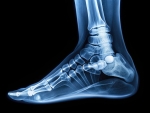
Ankle fusion surgery is one of the most reliable procedures for severely damaged ankles. If you’re experiencing severe ankle pain and mobility issues, the ankle fusion surgery procedure may be the treatment that helps you find relief. However, this surgery isn’t a universal answer for foot and ankle problems; it’s only ideal for certain situations. Your healthcare provider or surgeon will walk you through what to expect, the benefits of this procedure, and what alternatives exist if needed.
What Is Ankle Fusion Surgery?
Ankle fusion surgery permanently fuses the bones of your ankle into a single piece. It joins the tibia (shin bone) and the talus (ankle bone that sits on top of your heel) and creates a permanent joint. Your surgeon removes the remaining damaged cartilage from both bone surfaces, positions the bones together, and fuses them with screws, nails, plates, or other hardware. Over several months, the bones grow together and become one solid piece of bone. The fused joint cannot bend, but as it heals, it permanently eliminates the source of ankle pain.
When Is Ankle Fusion Surgery Recommended?
Ankle fusion surgery is ideal for many different conditions and situations. Before recommending this surgery, a healthcare professional will need to examine your ankle and review your medical history to determine whether this is the right solution for you.
Severe Osteoarthritis
Osteoarthritis damages the protective cartilage in your ankle joint over time. Without that cushion between the bones, the bones slowly wear down, eventually leading to sharp pain, stiffness, and swelling. When osteoarthritis reaches later stages, the cartilage deterioration is so intense that the ankle joint loses function. Eventually, this leads to severe pain.
Rheumatoid Arthritis
Rheumatoid arthritis triggers chronic inflammation that gradually deteriorates cartilage, bones, and surrounding tissues in the affected joint. As this condition worsens, it weakens the bones and severely affects the ankle joint. Patients with rheumatoid arthritis who have not found relief from other treatments often turn to ankle surgery, as it’s a chance to restore stability and find relief from chronic pain.
Post-Traumatic Arthritis
When a traumatic injury like an ankle fracture or dislocation damages the ankle, it can trigger post-traumatic arthritis. This affects how weight is distributed across the ankle bones and accelerates damage to cartilage and bone over time. Many cases of severe post-traumatic arthritis end up in ankle fusion surgery for recovery.
Failed Prior Surgeries
Some patients may need fusion surgery after other surgical treatments have failed to produce lasting results. If a patient has previously undergone ankle replacement but the procedure did not resolve their problems, ankle fusion surgery can often prevent further complications and permanently heal the joint.
Chronic Instability and Pain
Repeated ankle sprains and injuries can leave the joint weak and unstable. When severe enough, this can cause cartilage damage and early-stage arthritis. Fusion surgery can eliminate the unstable motion and the risk of severe arthritis. This option is for the cases where chronic instability has caused severe joint damage.
Ankle Fusion Surgery: How the Procedure Works
Ankle fusion surgery involves several critical steps. From the initial evaluation to the post-operation care, each plays a critical role in your recovery.
Pre-Surgical Evaluation
Before scheduling your ankle fusion surgery, your surgeon will set up a series of imaging tests to assess the condition of the joint. This will likely involve getting a CT scan, ultrasound, X-rays, and MRI. Your surgeon will also perform a series of blood tests, along with a physical examination, to determine the likelihood of success of the procedure. If you have any other health conditions or are taking certain medications, the course of treatment may change depending on your specific situation.
During Surgery
The procedure is performed under general anesthesia. The surgeon begins by making an incision along the front or side of the ankle to expose the joint, then removes all remaining cartilage and a thin layer of bone. Then, they position the tibia and talus at an optimal ankle and use metal hardware to fuse them together. This entire procedure takes between one and three hours.
Post-Surgery Care
After surgery, your ankle is secured with a cast to protect the surgical site and control swelling. Patients usually spend a few hours in the recovery room before going home the same day, though some may spend the night in the hospital, depending on the complexity of the case.
Recovery Timeline After Ankle Fusion Surgery
Recovery from ankle fusion surgery happens in stages. At all times, make sure you’re prioritizing your safety and recovery; never put yourself or the surgical site at risk. Follow your surgeon’s instructions and visit a healthcare professional if you ever suspect something is wrong.
0–6 Weeks
The first six weeks are entirely focused on protecting the fusion area. You cannot put any weight on the surgical foot during this phase, and your ankle will remain in a cast. For mobility, many people rely on crutches or walkers. However, make sure you’re limiting movement to reduce the risk of injury or delayed healing. Pain and swelling are usually more intense during the initial few weeks and are managed with prescribed medications.
6–12 Weeks
Between six and twelve weeks, you gradually transition to the partial weight-bearing phase as the bones continue to heal. You’ll need to return for a checkup at some point during this period; your surgeon will examine the surgical site and use imaging tests to determine how you’re recovering. If the healing is progressing well, your cast will be removed, and you will wear walking boots. Often, the ankle can handle some weight at this point and fully support you by the twelfth week, though this varies from person to person.
3–6 Months
In three months, you will gain more mobility and will be able to perform low-impact daily activities like walking and standing. Your walking distance will increase gradually, and there won’t be any sharp pain in the ankle. At this stage, more emphasis is on physical therapy for balance and strength. Although the joint is not completely healed at this point, you should be able to go about your day normally.
6–12 Months
The bone completely fuses and heals between six and twelve months. You may have to visit your surgeon for a final follow-up so they can thoroughly evaluate the joint and your recovery. At this stage, most patients walk without supportive devices like crutches or walking boots. And get back to light recreational activities, like low-impact sports, hiking, and other light activities.
Benefits of Ankle Fusion Surgery
Ankle surgery is often highly effective and can correct a wide range of ankle issues. It offers many benefits, such as:
- Significant pain relief: Fusion can offer pain relief from end-stage ankle arthritis. The fusion surgery involves removing the damaged joint surfaces entirely, which eliminates the source of pain effectively.
- Improved stability and strength: Because the fusion creates a single solid bone, it creates a rigid foundation for stability and strength.
- Long-lasting results compared to replacement in some cases: Unlike implants, which have a certain lifespan, ankle fusion is a permanent treatment option. Once the fusion is done, there is no risk of bones wearing or misaligning.
- High success rate: Ankle fusion has a high success rate in treating ankle conditions compared to other surgical procedures. It has been performed for decades and is considered a standard procedure for severe ankle pain and stability issues.
This is why ankle surgery is a popular option for serious ankle issues. It offers a chance to regain mobility when other treatment methods may not be ideal.
Risks and Potential Complications
Like any major surgery, ankle fusion surgery is also not without its risks and complications. It does pose some potential problems, especially if you ignore your surgeon’s advice. That could put you at risk of:
- Infection and blood clots: There may be infection and blood clots in the incision area. Infections are usually managed with antibiotics. For a blood clot, your surgeon may prescribe a blood thinner and recommend gentle exercise to promote blood circulation.
- Nerve or blood vessel injury: Small sensory nerves and blood vessels near the incision area can be stretched or cut during surgery, causing numbness, burning, or tingling sensations. This injury can lead to long-term discomfort if not addressed early.
- Nonunion or delayed bone healing: Nonunion means the bones fail to fuse completely. Risk factors may include smoking, diabetes, poor nutrition, and increasing weight-bearing too early in the recovery phase.
- Decreased flexibility in the ankle joint or altered gait: Because the ankle joint no longer bends, your walking pattern will change.
- Arthritis: In some cases, the joints above or below the fusion may develop arthritis because they absorb stress that the fusion joint cannot handle anymore.
- Persistent pain: There is a risk of experiencing persistent pain even after the surgery. If pain persists, further examination is required to address the issue.
- Need for revision surgery in rare cases: In rare cases, hardware failure, nonunion, or misalignment may require a revision procedure.
This is why it’s so critical to always follow your surgeon’s instructions. Those steps minimize these risks and drastically increase the odds of a safe and successful recovery.
Ankle Fusion vs. Ankle Replacement
Whether a patient needs an ankle fusion or ankle replacement depends on factors specific to the patient. Replacement preserves ankle motion by replacing the damaged joint surfaces with metal components. It feels more natural when walking or performing any activities. On the other hand, fusion compromises motion but delivers better stability and lasting improvement. With no risk of implant damage or loosening, fusion is a comparatively more durable and permanent treatment option. Your healthcare provider will assess the area and walk you through your options to make sure you’re receiving the right treatment for your specific situation.
Physical Therapy and Rehabilitation
Physical therapy plays a big part in how well you recover after the fusion. A physical therapist will assist you with targeted exercises that strength the muscles and bones in your foot. They’ll also help you with a series of balance exercises and gait training, and may even be able to help you access mobility devices for the first few months. As the healing progresses, you will be able to move freely and resume daily activities within a year.
Lifetime Adjustment After Ankle Fusion
Living with ankle fusion requires some permanent adjustments. You’ll want to take care to ensure you don't harm the recovery site. It helps to:
- Wear supportive footwear: Shoes with a stiff sole and a rocker bottom are commonly recommended for patients who have undergone fusion surgery. These shoes help roll the foot forward without having to bend the ankle. It is best to avoid high heels and flat shoes.
- Modify high-impact activities: After full recovery, you will be able to engage in low-impact activities like walking, cycling, swimming, or hiking on average terrain. High-impact sports that involve jumping or sprinting may put a lot of strain on the fused joint. You should consult with your surgeon to know which activities you can engage in to support your active lifestyle.
- Exercise to preserve your mobility: Even after a successful fusion, you won’t achieve the same level of mobility in your ankle as before. The up-and-down motion of the joint is usually restricted; however, most patients walk with a gait that appears normal.
These steps are all essential for preserving your ankle, mobility, and overall quality of life.
Talk to a Professional Today
Ankle fusion surgery is a complex procedure, but the right care can help you get back on your feet safely and effectively. If you have questions, contact Dr. Gary Driver today, a fellowship-trained foot and ankle specialist with the experience needed to restore your quality of life. Contact us today to schedule your appointment and take your first step towards the recovery you deserve.
Frequently Asked Questions (FAQs)
Why is ankle fusion surgery done?
Ankle fusion surgery is done to eliminate chronic ankle pain and to restore strength and stability of the affected joint.
How long does ankle fusion surgery take?
The ankle fusion procedure may take anywhere between one and three hours, depending on your specific condition.
How long is the recovery after ankle fusion surgery?
Full recovery from the ankle fusion takes about 12 months in most cases. However, by six months, most patients can walk comfortably without assistive devices.
Will I be able to walk normally after ankle fusion surgery?
Yes. You will be able to walk normally without noticeable limping once the newly fused ankle adjusts properly.
Is ankle fusion better than ankle replacement?
Ankle fusion is a permanent treatment for ankle issues, but ankle replacement preserves motion. Your surgeon will recommend an appropriate option for you, based on your needs and ankle health.
How painful is ankle fusion surgery?
Surgery is performed under anesthesia, so you won’t feel any pain during the procedure. But after the surgery, you may experience pain for a few weeks, which is often managed with antibiotics. As the wound heals, the pain gradually subsides.
Can I return to sports or physical activity after fusion?
Yes, but with modification. Low-impact activities are doable, but high-impact sports are often discouraged.
References
- “Ankle Fusion.” Cleveland Clinic, 2024. https://my.clevelandclinic.org/health/procedures/ankle-fusion
- “Ankle Fusion.” Johns Hopkins Medicine. https://www.hopkinsmedicine.org/health/treatment-tests-and-therapies/ankle-fusion
- “Rheumatoid arthritis.” Mayo Clinic. https://www.mayoclinic.org/diseases-conditions/rheumatoid-arthritis/symptoms-causes/syc-20353648
- Toby Jenison. “Fusion after a failed primary total ankle arthroplasty.” National Library of Medicine, 2023. https://pubmed.ncbi.nlm.nih.gov/37777204/
- Suchandrima Bhowmik. “What to know about ankle fusion recovery.” Medical News Today, 2023. https://www.medicalnewstoday.com/articles/ankle-fusion-recovery#risks
- Carol Eustice. “Pros and Cons of Ankle Fusion Surgery.” Verywell Health, 2025. https://www.verywellhealth.com/what-is-an-ankle-fusion-189965