Living with a plantar fibroma can be frustrating, especially when it begins to cause discomfort or pain while standing, walking, or running. Although this foot condition is not considered harmful, it can still have a significant impact on daily life. Fortunately, there are a range of surgical and non-surgical treatment options that can offer relief from a plantar fibroma. In this article, we will cover everything you need to know about the condition and explore various treatment options.

What Is a Plantar Fibroma?
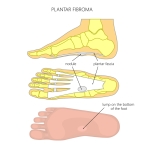
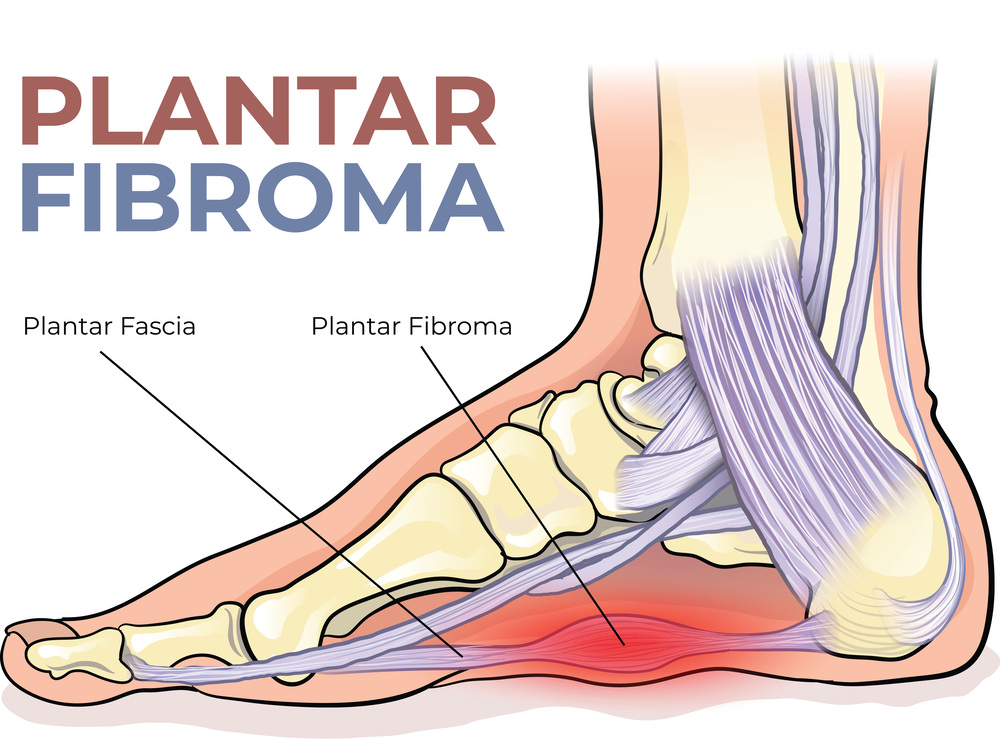
A plantar fibroma, also known as plantar fascial fibromatosis, is a fibrous growth that develops on the plantar fascia, a band of connective tissue that runs from your heel to your toes. It is unlikely to go away or get smaller without proper treatment and can cause intense pain and discomfort in some cases. The pain usually intensifies while wearing shoes and may make it difficult to perform daily activities like walking and standing.
Symptoms of a Plantar Fibroma
If you have a plantar fibroma, you may notice:
A Lump on the Bottom of the Foot
A lump on the arch of your foot is the most obvious sign of a plantar fibroma. The lump will start small and may continue to grow. It may look like a pea or a marble on your foot.
Pain or Discomfort That Increases With Pressure
You may experience pain or discomfort depending on the size of the lump. It might feel like there is a tiny stone beneath your foot, especially when you are standing or wearing a shoe. You may experience mild pain whenever there is pressure on the lump.
Risk Factors for Developing a Plantar Fibroma
It is not certain what exactly causes a plantar fibroma to develop. However, the following are potential risk factors for developing this foot condition:
- Genetics: You may get a plantar fibroma if someone in your family has the condition.
- Sex: Males are two times more likely to develop this foot condition.
- Age: This condition is more likely to develop in middle-aged people (between the ages of 30 and 50).
- Ethnicity: Northern European people are more likely to develop plantar fibromas.
- Medical conditions: Certain medical conditions, including Dupuytren’s contracture and diabetes, may increase the likelihood of developing a plantar fibroma.
Diagnosing a Plantar Fibroma
The diagnosis of a plantar fibroma may involve a review of your medical history, a physical examination, and imaging tests to confirm the presence of a benign growth on your plantar fascia.
Medical History Review and Physical Examination
During your initial consultation, your doctor will ask about your symptoms and medical history. They will then examine the size of the lump and may apply pressure to see whether it causes pain or discomfort.
Imaging tests
Imaging tests may be performed to confirm the presence of a plantar fibroma; they can include:
- MRI: This test provides highly detailed images of soft tissues that can help confirm if the lump on your foot is a fibroma and not another type of growth.
- Ultrasound: This test can provide pictures of the area around the lump to help your doctor see the fibroma's size, location, and impact on surrounding tissues.
- X-ray: This test can provide images of the bones in your foot to check for any bone-related issues in the affected area.
Non-Surgical Treatment Options for a Plantar Fibroma
Non-surgical treatment options focus on relieving symptoms and shrinking the growth. Pain medications, like aspirin and ibuprofen, can help reduce pain and inflammation. Orthotic inserts can help minimize the pressure on the affected area and reduce discomfort. You can also use topical medications that may help minimize inflammation and shrink the growth.
Surgical Treatment Options for a Plantar Fibroma
If non-surgical options fail to treat the fibroma, one of the following surgical options may be required:
Local Excision
Local excision is performed to remove the plantar fibroma on its own. The chance of fibroma recurrence after this procedure is 60% to 100%.
Wide Excision
This surgical procedure involves removing a larger portion of the plantar fibroma, including an area between 2 to 3 millimeters around the fibroma. The recurrence rate following wide excision is up to 60%.
Plantar Fasciectomy
This is a rare surgical procedure that involves complete removal of the plantar fascia ligament. It has a lower recurrence rate and may be necessary for a recurring plantar fibroma.
Percutaneous Fasciectomy
This procedure involves the removal of only a small section of the plantar fascia near the heel.
Get Plantar Fibroma Treatment With Dr. Gary Driver
Plantar fibroma treatment options vary depending on the size, symptoms, and recurrence risks of the fibroma. Non-surgical options can help manage symptoms, but surgery may be needed for severe cases. If you notice a lump in your foot that is accompanied by pain or discomfort, you should schedule a consultation with Dr. Gary Driver. He is a foot and ankle surgeon with experience treating a range of foot and ankle conditions including minimally invasive bunion surgery, total ankle replacements, achilles tendon repairs, charcot foot reconstruction, and ankle fractures. He can provide you with a tailored treatment plan designed to help you find relief and get you back to your normal routine as soon as possible. Make an appointment today!
Frequently Asked Questions
Can a plantar fibroma go away on its own?
A plantar fibroma usually won't go away on its own. It may grow over time and require surgical or non-surgical treatment to alleviate pain.
How long does it take to recover from plantar fibroma surgery?
A complete recovery from plantar fibroma surgery may take 6 to 8 weeks or more.
Can a plantar fibroma return after treatment?
Yes, a plantar fibroma can sometimes return after treatment, even after surgical removal. However, the recurrence rate may vary based on the size and location of the fibroma and the type of treatment used.
What's the difference between a plantar fibroma and plantar fasciitis?
Plantar fasciitis is the inflammation of the plantar fascia ligament. It does not cause a plantar fibroma to form. A plantar fibroma, on the other hand, is a type of benign growth found on the plantar fascia.