Ingrown toenails are a painful but common foot issue that many people face at some point in their lives. While they often start as a minor nuisance, ignoring them can lead to infection, severe discomfort, and long-term complications. When you understand what causes ingrown toenails, how to spot them early, and the treatment options available, this information can help you stay one step ahead of the problem.
What Is an Ingrown Toenail?
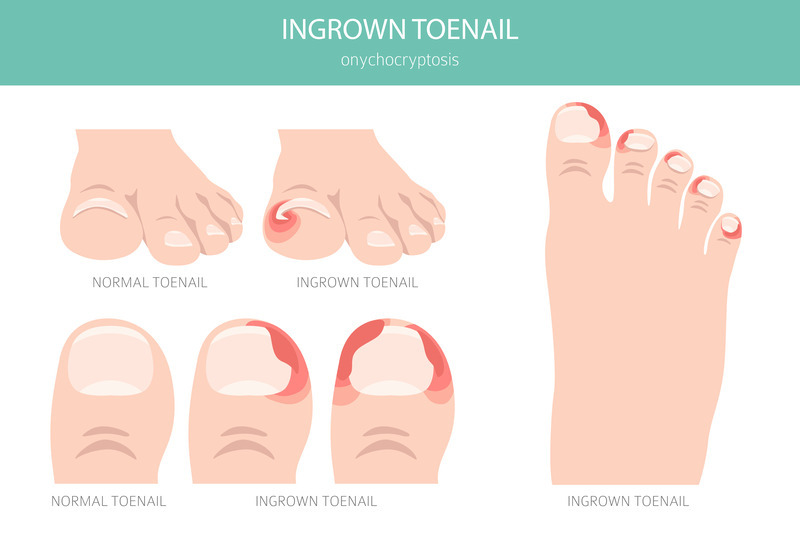
An ingrown toenail happens when the edge or corner of your toenail begins to grow into the skin beside it. Instead of continuing its natural growth pattern, the nail presses into the surrounding tissue, causing pain and inflammation.
The big toe is the toe most commonly affected, but any toe can develop this issue. Visually, you might notice the skin around the nail becoming red and tender. In the early stages, the toe may feel sore when it is pressed or while you wear shoes. As the condition progresses, you may start to experience swelling and discomfort more frequently.
Common Causes of Ingrown Toenails
Below are some common causes of ingrown toenails that you should be aware of:
Improper Toenail Trimming
Ingrown toenails can result from trimming your toenails too short or shaping them with rounded edges instead of cutting straight across. When your nail has no clear boundary, it is more likely to push into the soft skin on the sides. Over time, this improper trimming method leads to inflammation and painful pressure. If you trim aggressively or pick at the corners, you might also cause small breaks in your skin, increasing the risk of infection. To prevent this, always trim straight across and avoid cutting down into the corners.
Wearing Tight Shoes
Shoes that squeeze your toes together create constant pressure on your nails. This usually happens with pointed or narrow footwear, which can force your toenail to curve and grow inward. Over time, the repeated friction can lead to ingrown nails even if you are trimming your nails correctly. This is a common issue for people who wear heels or snug dress shoes daily.
Toe Injuries
When you injure your toe, it can change the way your nail grows. So, if you stub your toe too hard, drop something on it, or exert repetitive pressure from sports, the trauma can disrupt your normal nail development. The nail may thicken or curl as it regrows, which makes it more likely to become ingrown.
Genetic Predisposition
Sometimes, ingrown toenails simply run in the family. If your nails are naturally curved or wide, you are more likely to develop this condition, no matter how careful you are. People with inherited foot structures may also have toenails that are more prone to pressing into the skin. While you cannot change your genetics, knowing the risks helps you take proactive steps.
Poor Foot Hygiene
Keeping your feet clean and dry is very crucial for healthy nail growth. When moisture and bacteria build up, the skin around your nails becomes more vulnerable. Not cleaning under your nails, skipping socks, or wearing damp shoes for long periods can create the perfect environment for inflammation.
Other Factors
A few additional factors may also increase your risk:
- A naturally curved or fan-shaped nail can dig into the skin more easily.
- Fungal infections may thicken the nail and cause abnormal growth.
- Chronic conditions like diabetes or poor circulation reduce healing and increase infection risk.
- Excessive sweating softens the skin around the nails, making them easier to penetrate.
Symptoms to Watch For
You need to recognize symptoms early to help prevent more serious complications.
Redness and Swelling
One of the first signs of an ingrown toenail is visible redness around the edge of your nail. The area may look slightly inflamed or puffy. As pressure builds, the swelling can increase, especially after walking or standing for long periods. This inflammation signals that the nail is pressing into sensitive tissue.
Pain or Tenderness
You may notice soreness when you touch the toe or wear closed shoes. This pain often starts mild but becomes sharper as the nail grows deeper into your skin. Some people describe the discomfort as a pulsing or stabbing sensation. Even light pressure from socks can make this pain worse.
Pus or Drainage
When an ingrown nail becomes infected, it may produce pus or fluid that leaks from the area. This discharge is a clear sign that bacteria have entered your skin. You might also notice the area feels warmer.
Difficulty Walking
As the pain and swelling increase, walking may become uncomfortable or even unbearable. You might find yourself limping or avoiding pressure on the affected toe. The discomfort can disrupt your daily activities and make it hard to wear everyday footwear.
Deformity
Over time, a neglected ingrown toenail can change the shape of your toe or nail. The skin might grow over part of the nail, or the nail may begin to curve more sharply inward. These deformities can make treatment more complicated and lead to chronic pain.
Bleeding
A severe ingrown toenail may break your skin, causing bleeding along the nail edge. This often happens when the skin has been irritated for a long time or becomes infected. Bleeding increases your risk of infection and should not be ignored.
Warmth
A toe that feels warmer than usual can be another sign of inflammation or infection. Warmth often accompanies redness and swelling and can help you spot the seriousness of the condition.
Bad Odor
An infected toenail may create a foul smell, especially if there is pus or decaying skin. This odor is usually a clear sign that bacteria are actively growing in the area. Don’t try to mask the smell with powder or sprays. The best course of action you can take is to clean the area and seek medical care if the odor continues.
Stages of Ingrown Toenail Progression
Understanding the progression can help you act before the problem becomes serious.
Stage 1 (Early Stage)
The toenail begins pressing into the skin, causing mild redness and slight discomfort. You might feel soreness when putting on shoes or applying pressure to the toe. At this point, symptoms are manageable and usually respond well to home care. It is vital for you to avoid tight shoes and monitor for signs of infection.
Stage 2 (Moderate Stage)
Pain and swelling become more noticeable, and your skin may start to swell over the edge of the nail. Walking or standing becomes increasingly painful. The area may become warm and tender to the touch. You might see signs of infection, such as pus or drainage. At this stage, medical attention is often recommended.
Stage 3 (Severe Stage)
The skin around the nail gets severely inflamed, and infection might be coming next. Pain can be intense, and you may struggle to wear shoes or even walk. Pus, bleeding, and a strong odor can accompany your infection. If you leave it untreated, the infection could spread to deeper tissues.
Chronic Ingrown Toenails
If you experience recurring ingrown toenails, the condition may become chronic. The nail and surrounding skin might undergo long-term changes, including thickening or scarring. At this point, conservative treatment may no longer be effective. You will need permanent solutions, such as nail removal or matrix treatment.
Home Remedies and Self-Care for Ingrown Toenails
Here are some home remedies and self-care routines you can follow to protect yourself from ingrown toenails.
- Soaking in warm salt water: A warm salt soak softens the skin and reduces inflammation. It can help gently ease the nail out of the skin and clean the area naturally.
- Applying antibiotic ointment: Using an over-the-counter antibiotic ointment can help prevent infection and promote healing. Apply it after washing and drying your feet.
- Proper trimming techniques: Always cut your nails straight across and avoid digging into the corners. Use clean and sharp nail scissors or clippers.
- Use of cotton/wax dental floss under the nail edge: Placing a tiny bit of sterile cotton or waxed floss below the edge of the nail can help lift it above the skin, relieving pressure.
- Over-the-counter pain relief: Pain relievers such as ibuprofen or acetaminophen can reduce pain and inflammation during flare-ups.
When to See a Doctor
While home care can help in mild cases, there are times when professional treatment is the best option.
- Persistent pain or swelling: If your toe stays swollen or painful despite self-care, it may be infected or worsening. A doctor can remove a fraction of the nail and ease your discomfort.
- Signs of infection: Pus, warmth, foul odors, and red streaks are all signs of active infection. Medical attention can prevent this infection from spreading and getting worse.
- People with diabetes or those with poor circulation: If you have diabetes or circulatory problems, even a mild ingrown toenail can turn into a serious issue. It is crucial to have a specialist examine your foot early.
- Recurring ingrown toenails: If you have had the same issue more than once, a permanent solution may be necessary. A podiatrist can discuss options like partial or total nail removal that may be suitable for you.
Medical Treatment Options for Ingrown Toenails
There are multiple medical treatment options available for ingrown toenails. Some of them include:
Minor Surgery (partial nail removal)
This procedure involves removing the edge of the nail that’s growing into the skin. It is often done under local anesthesia and provides immediate relief. Recovery after this procedure is typically quick, and recurrence can be rare if you follow the aftercare instructions correctly.
Antibiotics for Infection
If infection is present, your doctor may prescribe oral or topical antibiotics. These help clear the infection and reduce inflammation. Even though it might not resolve the ingrown nail, it is an essential step in stopping the spread of infection.
Permanent Removal for Chronic Cases
For severe or recurring cases, removing part of the nail root may be highly recommended. This prevents that portion of the nail from regrowing. It is a more permanent fix that reduces the chances of future ingrown nails.
Laser Treatment Options
Laser therapy is a modern approach that uses concentrated light to target the problematic part of the nail. It’s less invasive and can reduce recovery time. This method may also destroy fungus if present.
Matricectomy
In a matricectomy, the root (matrix) of the nail is destroyed, usually with a chemical or laser. This stops the problematic nail from returning again.
Total Nail Removal
In extreme cases, the entire toenail may need to be removed. This is usually a last resort when other treatments fail. While the nail may grow back differently, it eliminates ongoing pain.
How to Prevent Ingrown Toenails
Now, let’s take a look at how to prevent ingrown toenails and stay on the safer side.
- Trimming nails properly: Cut your nails straight and avoid curving the edges. Use clean tools and never trim too short.
- Choosing proper footwear: Select shoes with a wide toe box to reduce pressure on your toes. Avoid shoes that squeeze or compress your toes.
- Hygiene tips: Wash your feet daily and dry them thoroughly. Change socks regularly and avoid damp shoes.
- Tips for runners and athletes: Use moisture-wicking socks and supportive shoes. Check your feet after workouts for early signs of irritation.
- Regularly inspect your feet: Especially if you have diabetes, check your feet daily for changes. Early detection makes all the difference.
- Seek professional help: If your nails look abnormal or cause pain, see a foot doctor early. Don’t wait for it to worsen.
Final Thoughts
Ingrown nails can become annoying, but they don’t have to become a long-term problem. By recognizing symptoms early and knowing when to act, you can regain control of your foot health. If you are experiencing foot pain that won’t go away, it is time to get answers. Dr. Gary Driver brings years of experience and a patient-first approach to every case. He works with you to understand the root cause of foot pain and treat it accordingly. Schedule a consultation today!
Frequently Asked Questions (FAQs)
Can ingrown toenails go away on their own?
In some mild cases, ingrown toenails may improve on their own with proper self-care. If you catch it early and keep your foot clean, wear open or loose-fitting shoes, and soak your toe regularly, the nail might grow out without further issues. However, if the pain gets worse or signs of infection appear, it’s best not to wait it out.
When should I see a doctor for an ingrown toenail?
You should see a doctor if your toe stays red, swollen, or painful for more than a few days, or if you notice pus or signs of infection. If you have tried home treatments and nothing is helping, it’s time to get professional help.
How painful is ingrown toenail surgery?
The surgery procedure itself is done under local anesthesia so that you won’t feel pain during the surgery. You may feel some pressure, but it’s not uncomfortable. Afterward, the area might be sore for a couple of days, but most people manage it easily with over-the-counter pain relievers.
Can I prevent ingrown toenails from coming back?
Yes, you can lower your chances of recurring ingrown toenails by trimming your nails properly. Cut your nails straight across without digging into the corners. Make sure you are wearing shoes that fit well and give your toes room to move.
Is it safe to cut an ingrown toenail by myself?
It is not recommended to cut an ingrown toenail yourself, especially if it’s painful, red, or showing signs of infection. You could accidentally make it worse or cause an injury that leads to infection.
Are ingrown toenails more dangerous if I have diabetes?
Yes, they are. If you have diabetes, even a small ingrown toenail can lead to serious complications because your feet may not heal as quickly, and your circulation might be compromised.
Can children get ingrown toenails?
Absolutely, children can develop ingrown toenails, especially if their shoes are too tight or they are trimming their nails incorrectly. Kids are also active, and bumps or injuries to the toes can increase the risk of ingrown toenails.
What should I wear to avoid ingrown toenails?
Choose shoes that give your toes room to breathe and are not too tight in the front to avoid ingrown toenails. Look for a wide toe box and avoid shoes that squeeze or push your toes together. Breathable materials can help reduce moisture buildup, which also keeps the skin around your nails healthy.