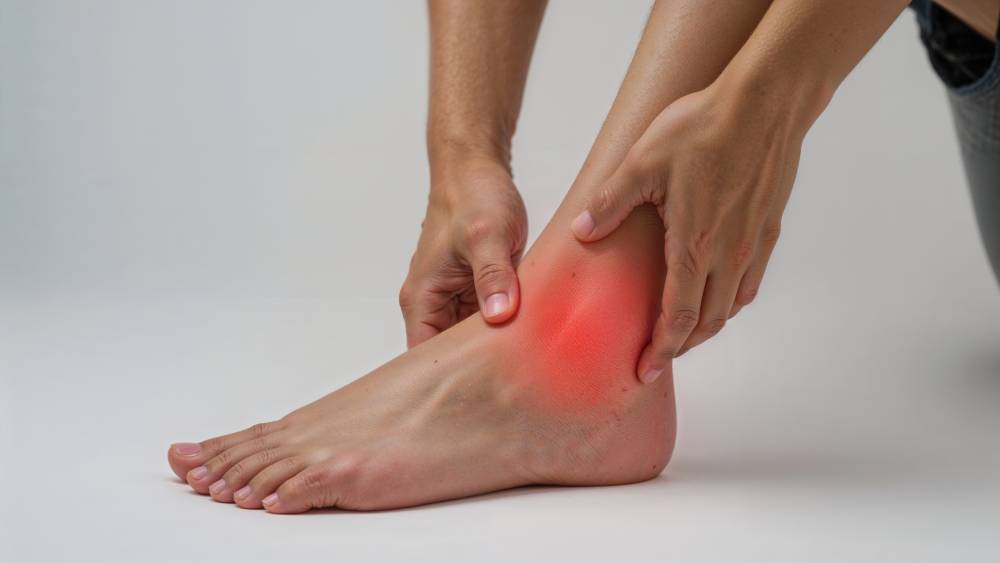
A partial Achilles tendon tear is a painful and easy-to-overlook injury to the tissue that connects the calf muscle to the heel. It can limit daily movement and physical activity, especially in adults who stay active through work or exercise. Identifying the injury early and following a structured treatment plan can significantly improve partially torn Achilles tendon recovery. This guide explains what a partial tear involves, how it feels, and what treatment and recovery typically look like.
Can You Have a Partially Torn Achilles Tendon?
A partially torn Achilles tendon happens when some of the fibers in the tendon are damaged but not completely ruptured. The tendon stays attached, which means you may still be able to walk, though often with pain and limited movement.
This injury is different from a full tear, where the tendon snaps completely, making it almost impossible to stand on your toes or to push off your foot. Those with complete tears often describe hearing a popping sound, followed by a sudden loss of function.
To confirm a partial tear, doctors may use one of the following tests.
- Press along the back of your heel and lower leg to check for swelling or tenderness
- Perform the Thompson test, where they squeeze your calf to see if the foot moves
- Order imaging, like an MRI or an ultrasound, to see the extent of the damage
What Does a Partial Achilles Tendon Tear Feel Like?
The following sensations may accompany a partial Achilles tendon tear:
- Sharp or aching pain in the back of the ankle or the heel
- Swelling and stiffness, especially after rest
- Difficulty pushing off the foot while walking
- A sensation of weakness or instability in the ankle
- Tenderness when pressing along the Achilles tendon
How to Treat a Partially Torn Achilles Tendon
Most partial tears can be treated without surgery if caught early. The earlier you start treatment, the better the outcome tends to be.
Initial Care: RICE Method
In the first few days after the injury, your main goal is to protect the tendon and to reduce inflammation, typically using the RICE method. “RICE” stands for “rest, ice, compression, and elevation.” This approach helps limit inflammation and manage swelling in the early stages of the condition. Apply ice for 15 to 20 minutes several times a day and keep your leg elevated above heart level when sitting or lying down. Avoid weight-bearing movements and rest until symptoms begin to improve.
Medical Interventions
If basic care does not improve symptoms, your physician may recommend additional support. Nonsteroidal anti-inflammatory medications can help relieve pain. You may also need to get an MRI or an ultrasound to get a better look at the damage and determine the next steps.
Physical Therapy
Once the swelling goes down, physical therapy becomes a key part of the recovery. Early sessions focus on gentle stretches and movement to keep the ankle from becoming stiff. Once there’s progress in the healing, the next step is to build up strength in the calf to restore tendon flexibility. Some therapists use tools like ultrasound or techniques like soft tissue work to improve recovery.
Surgical Treatment
Surgery is rarely needed for a partial tear unless primary care fails or the damage is extensive. If surgery is required, it may involve removing damaged tissue and closing the tear by suturing to reinforce the tendon. After surgery, you will go through a period of immobilization, after which a structured rehabilitation program is indicated.
Best Treatment for a Partially Torn Achilles Tendon
The best approach to this type of injury depends on the severity of the tear, the patient’s age, their activity level, and the response to the initial conservative care.
Surgical vs. Non-surgical Treatment
In most cases, surgery should not be the first step. Many patients recover with rest, physical therapy, and supportive treatments, such as braces or heel lifts. Surgery is required only when the tear is severe or symptoms do not improve with time. Your doctor will consider your activity level, age, and goals before recommending the procedure. If necessary, the goal is to repair or reinforce the torn fibers and facilitate full healing.
Adjunct Therapies
Some patients may receive additional types of therapy to support their healing. Platelet-rich plasma (PRP) injections and shockwave therapy are two common examples of these treatments. These therapies are not standard in every case. A doctor may recommend them based on how the tendon is healing. The goal is to stimulate blood flow and tissue repair, but results vary depending on the patient and the extent of the injury.
Preventing Reinjury
Patients risk reinjury by returning to sports or daily activities too soon. Although the pain may subside early in the healing process, the tendon continues to repair itself at a structural level. This is why an effective recovery plan must go beyond symptom management. However, strengthening exercises should be introduced gradually to prevent further damage.
Partial Achilles Tendon Recovery Timeline
Recovery varies, but healing typically takes several months. Full return to normal physical activities may take longer, especially for athletes.
Typical Recovery Duration
Most people recover from mild to moderate partial Achilles tendon tears within 4 weeks to 6 months with non-surgical care. Severe partial tendon tears or those involving athletes may require 6 months to a year for a full recovery. Surgery may have a similar recovery window, depending on whether there are complications and rehabilitation progress.
Immobilization Phase
During the first few weeks, your foot and ankle doctor may recommend a walking boot or a brace. This helps reduce movement and gives the tendon a chance to begin healing. Weight-bearing activities should typically be limited, and you may be required to keep your foot elevated to reduce swelling. Gentle ankle movements outside the injury area may be encouraged to keep your joints flexible.
Rehabilitation Phase
Once you can move your foot, therapy shifts toward restoring its normal function. This stage often begins with gentle movement exercises and slow, controlled strengthening. Over time, the load on the tendon is meant to increase, depending on how it withstands pressure. Therapy may need to be adjusted if the patient notices pain, stiffness, or swelling after exercises.
Return to Activity
Once strength and mobility are restored, the patient can gradually start returning to their regular routine. High-impact activities must be reintroduced slowly. Full sports participation may take several more weeks. To resume these activities safely, each step forward should feel stable, without signs of strain. Following medical advice during this stage is particularly important to avoid setbacks in the recovery.
Partial Achilles Tendon Tear vs. Complete Tear
Understanding the distinction between a partial and a complete tear of the Achilles tendon is crucial for both diagnosis and treatment planning. Though both affect the same tendon, the extent of damage and the treatment needs are different.
- Structural damage: A partial tear involves only some fibers of the tendon. In a complete tear, the tendon has fully separated.
- Onset and symptoms: Partial tears usually develop gradually or from mild trauma. Pain may increase over time. Complete tears often happen suddenly, usually during activity, and are followed by immediate pain and loss of function.
- Mobility and function: Individuals with a partial tear may still walk, though with discomfort. Someone with a complete tear usually cannot walk easily, if at all, especially when trying to push off with the foot.
- Physical findings: A partial tear may cause swelling, tenderness, or bruising. A complete tear may show a distinct gap in the tendon, accompanied by a loss of calf muscle tone.
- Treatment pathways: Partial tears often respond well to non-surgical methods, such as rest, bracing, and physical therapy. Complete tears usually require surgery, especially in physically active individuals.
- Recovery outlook: Partial tears typically heal within a few months to half a year with proper care. A complete tear may take up to a year or more to heal, depending on whether surgery is involved and the recovery plan.
Preventing Future Achilles Tendon Injuries
Partially or completely torn Achilles tendons are complex injuries, and recovery does not stop when the pain fades. To lower the risk of reinjury, it’s essential to build habits that protect the tendon and reduce strain over time.
Stretching and Strengthening Exercises
Tight calf muscles can often increase strain on the Achilles tendon. Daily stretching helps manage that tension effectively. Simple movements, such as standing wall stretches, improve flexibility and support recovery.
Proper Footwear
Wearing proper footwear can prevent the injury from worsening. The footwear should support your heel and absorb shock during each step. Avoid worn-out shoes. When soles break down, they stop providing the structure needed to protect the tendon.
Training Modifications
Extensive or demanding physical activity too soon often extends the recovery process. If your tendon feels sore, reduce the intensity or the frequency of your workouts or sporting pursuits. Adjusting your activities can lower the strain on the tendon and support long-term healing.
Frequently Asked Questions (FAQs)
What does a partial Achilles tendon tear feel like?
It often feels like a sharp or aching pain in the back of the ankle, with swelling and weakness, especially when pushing off the foot.
How long does it take to recover from a partially torn Achilles tendon?
Typically, most patients recover in 8 to 16 weeks with non-surgical care. Athletes or post-surgical patients may need up to 6 months or longer.
Can you walk with a partially torn Achilles tendon?
Yes, but walking may be painful and limited. In some cases, walking with a limp is possible, which can cause further complications and delay healing if not addressed.
How can I determine if I have a partial or complete Achilles tendon tear?
A physical exam and imaging, such as an ultrasound or an MRI, confirm the diagnosis. A complete tear usually causes a sudden snapping sensation and an inability to walk.
Can a partial Achilles tendon tear heal without surgery?
Yes, most partial tears heal with conservative care, including immobilization, physical therapy, and activity modification.