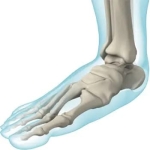
Foot conditions can develop over time due to repetitive strain, improper footwear, and genetics. However, most foot conditions can be resolved if they are accurately diagnosed and treated in time. Two of the most common conditions affecting the feet are fallen arches and plantar fasciitis. While they share some similarities, their causes and treatment are distinct.
What Are Fallen Arches?
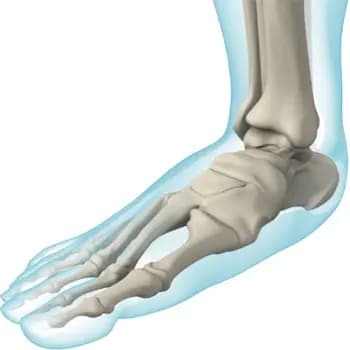
Most feet have a slight arch, an upward curve between the heel and toes. This arch is formed by bones, ligaments, and tendons. When the tendons in your foot are properly formed, they create a natural curve or arch. However, when the tendons in your foot are not pulling together properly, the arch falls; this is referred to as a fallen arch or flatfoot.
What Is Plantar Fasciitis?
Plantar fasciitis is one of the most common causes of arch and heel pain. It is caused by the inflammation of the plantar fascia, a thick band of tissue that runs along the bottom of the foot, supporting the arch between the heel bone and toes. Runners and overweight individuals are at a higher risk of developing this condition.
Comparing Fallen Arches and Plantar Fasciitis
While it’s possible to mistake fallen arches for plantar fasciitis or the other way around, understanding the differences between these conditions will help you accurately pinpoint the cause of your foot pain.
Causes and Risk Factors
Fallen Arches
Flatfeet or fallen arches in adults can be caused by a wide range of factors. Some common causes of fallen arches are as follows:
-
Congenital foot deformity
-
Broken or dislocated bones
-
Health conditions such as arthritis
-
Nerve problems such as neuropathy
Some factors that put you at risk of developing flatfeet are:
-
Obesity
-
Diabetes
-
Aging
-
Pregnancy
Plantar Fasciitis
Plantar fasciitis occurs when the plantar fascia becomes irritated. Some things that can cause the plantar fascia to become irritated include:
-
Being on your feet all day
-
Increasing your level of activity
-
Exercising or working on a hard surface
-
Exercising without stretching or warming up
-
Wearing shoes that don’t provide adequate support
Some risk factors associated with plantar fasciitis are:
-
High arches
-
Flatfeet
-
Obesity
-
Age (people between the ages of 40 and 60 are more likely to develop plantar fasciitis)
Symptoms
Fallen Arches
Symptoms of fallen arches include:
-
Foot pain that worsens with activity
-
Gait abnormalities
-
Swelling along the inside of the ankle
-
Pain in the ankles, shins, knees, hips, and lower back
Plantar Fasciitis
Symptoms associated with plantar fasciitis include:
-
Pain in the ankle and bottom of the foot
-
Pain that is worse after resting
-
Pain that improves during exercise
-
Difficulty raising toes off the floor
Diagnosis
Fallen Arches
Fallen arches are recognizable in a physical exam. An orthopedist or podiatrist will observe the shape and position of your foot and make you stand or walk to determine whether you have fallen arches. They will also ask about your medical history and prior injuries. In some cases, they may use imaging tests to look further into the cause.
Plantar Fasciitis
The process of diagnosing plantar fasciitis is similar to the diagnosis of fallen arches. A doctor will ask about your medical history and conduct a physical exam. During the physical, they will check for tenderness along the bottom of your foot. Pinpointing the location(s) of the pain can be helpful in determining the cause. Sometimes, imaging tests are used to look further into the cause or rule out other problems, like stress fractures.
Treatment Options
Fallen Arches
Fallen arches can occur without symptoms. Most people don’t need any treatment for fallen arches because they don’t experience any pain. However, if your fallen arches are causing you mild to moderate pain, you can opt for conservative treatment, which includes:
-
OTC pain relievers
-
Physical therapy
Surgery may be necessary if nonsurgical treatment fails to relieve your symptoms. Surgery can repair the bone and tendon problems that are causing the pain.
Plantar Fasciitis
Most plantar fasciitis patients make a full recovery after a few months using conservative treatment, including:
-
Ice on the painful area
-
Plantar fascia and Achilles tendon stretches
-
Orthotics
-
OTC pain medications
-
Athletic taping
-
Night splints
-
Walking boots, canes, or crutches
If conservative treatment options fail to provide relief, your doctor might recommend alternative options, such as:
-
Injections for pain relief
-
Extracorporeal shock wave therapy
-
Ultrasonic tissue repair
-
Surgery
Prevention
Although it’s not always possible to prevent plantar fasciitis and fallen arches, a number of precautions can be taken to reduce the likelihood of developing either of these foot conditions.
Plantar Fasciitis
The plantar fascia supports the arch in your foot and absorbs shock every time your heel hits the ground, withstanding an incredible amount of pressure. Over time, it becomes susceptible to repetitive stress and damage from overuse, which can result in plantar fasciitis. Therefore, proper rest and training are extremely important in preventing this condition from developing, especially if you are a runner or athlete.
Overpronation of the feet can also lead to plantar fasciitis. Overpronation can be prevented by wearing shoes that support the arches of the feet. Maintaining a healthy body weight, taking regular breaks from standing, and performing plantar fascia stretches are effective ways of preventing plantar fasciitis from developing.
Fallen Arches
Fallen arches are often unavoidable. However, there are some things you can do to manage your symptoms, such as maintaining a healthy body weight and investing in supportive footwear and orthotics.
Find Relief From Foot Pain With Dr. Gary Driver
Foot pain can be an indication of any of a wide range of conditions. While plantar fasciitis and fallen arches are common culprits, more serious conditions or injuries may be behind your symptoms, which is why you should consider visiting a foot and ankle specialist to diagnose your condition. Dr. Gary Driver is a double board-certified, fellowship-trained foot and ankle specialist practicing in Fort Worth and Weatherford, TX. He uses advanced technology and a patient-centered approach to treat foot pain, and has extensive experience treating minimally invasive bunion surgery, total ankle replacements, achilles tendon repairs, charcot foot reconstruction, and ankle fractures. Feel free to reach out to us for more information or to book an appointment.
Frequently Asked Questions
Does standing for long periods make these conditions worse?
Yes, standing for long periods can aggravate fallen arches and plantar fasciitis. If standing for long periods is a part of your work, try to take breaks in between and stretch your legs to prevent strain and injury.
Is walking barefoot bad for foot arches?
Yes, walking or running barefoot leads to a greater risk of foot deformities and impaired foot function, including fallen arches. The arches of the feet require support in order to function properly. You should always wear arch-supporting shoes to prevent strain on your arches.
Can I have both fallen arches and plantar fasciitis at the same time?
Yes, you can have both fallen arches and plantar fasciitis at the same time. In fact, flat feet can often result in other problems like plantar fasciitis. Fallen arches lead to uneven weight distribution, which can irritate the plantar fascia.