Key Takeaways
-
Plantar fasciitis is a frequent source of heel pain caused by repetitive strain to the plantar fascia, the strong band of tissue that supports your arch.
-
Mild, early cases may improve when load is reduced and supportive habits are added, but ignoring heel pain can prolong recovery.
-
Most people do well with conservative care such as activity changes, stretching, ice, and supportive footwear; recovery often takes weeks to several months.
-
Ongoing symptoms may reflect thickening or degenerative change in the fascia rather than inflammation alone.
-
Professional care—such as physical therapy, custom orthotics, and night splints—can help when self-care is not enough. Additional options exist for chronic cases.
-
Addressing contributing factors and gradually resuming high-impact activity can lower the risk of recurrence.
-
If pain is severe, lasts more than a few weeks despite self-care, or limits daily activities, see a family doctor or a fellowship-trained foot and ankle specialist.
A common question many people have when they walk into a clinic is: “Can plantar fasciitis go away on its own?” While it's true that symptoms can ease for some people once stress on the heel is reduced and the foot is better supported, lasting relief typically follows a deliberate, conservative plan rather than simply waiting for pain to subside. Below, this article explains what plantar fasciitis is, how it tends to progress, and the steps—both at home and with professional guidance—that can help it heal safely and fully.
What Is Plantar Fasciitis?
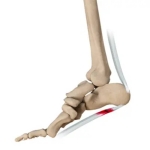
Plantar fasciitis refers to pain on the bottom of the heel linked to stress on the plantar fascia, a thick, fibrous band running from the heel bone to the toes. This tissue supports the arch and helps manage load with each step. Despite the “-itis” suffix, persistent plantar fasciitis often represents a repetitive strain process that can lead to degenerative changes rather than merely simple inflammatory issues. This is why steady, graded care and supportive measures are central to recovery.
A heel spur (a hook-shaped bone growth on the heel bone) can often present itself in the area where the plantar fascia attaches. However, though plantar fasciitis and heel spurs can occur at the same time, and you may see the presence of a heel spur when getting an X-ray, it is not, by itself, the source of pain. Many people have heel spurs but experience no symptoms, and many with plantar fasciitis do not have a spur. This is why treatment for plantar fasciitis focuses on reducing the soft-tissue stress that triggers pain rather than structural, bony changes to the foot itself.
Common Symptoms of Plantar Fasciitis
-
Sharp, stabbing, or aching pain at the bottom of the heel, often near the inner (medial) side
-
First-step pain in the morning or after sitting that eases with a few minutes of movement
-
Pain that returns or worsens after prolonged standing, walking, or running
-
Tenderness to pressure along the bottom or inner portion of the heel
-
Tightness in the calf or Achilles region
-
Symptom flares with increased activity or unsupportive footwear
What Causes Plantar Fasciitis
Plantar fasciitis typically develops when repetitive load exceeds what the fascia can comfortably tolerate. Common contributors include:
-
Recent increases in walking, running, or impact exercise
-
Long periods of standing on hard surfaces
-
Tight calf muscles or a stiff Achilles tendon
-
Foot structure such as flat feet or high arches
-
Higher body weight or rapid weight gain
-
Unsupportive, worn, or thin-soled footwear
-
Jobs that require many hours on your feet
Can Plantar Fasciitis Go Away on Its Own Naturally?
Symptoms can settle when aggravating loads are reduced and supportive habits improve, especially in early, mild cases. Without applying these changes in activity or footwear, plantar fasciitis rarely disappears. Most people see best results when they ease off activities that exacerbate the issue and add targeted self-care to their day-to-day life. However, if pain persists or notably limits your lifestyle, guided treatment with a specialist can help improve recovery and lower the odds of chronic symptoms.
When It Can Heal
-
Early or mild symptoms with a clear trigger (for example, a sudden spike in running mileage) that you promptly scale back
-
Consistent use of supportive shoes with added arch support or heel cushioning
-
Regular stretching of the calf and plantar fascia
-
Ice massage after activity and a shift toward lower-impact training options
-
Practical changes at work or home (such as cushioning mats or scheduled breaks) when long hours on hard floors are a factor
When It Usually Does Not
-
Continued high-impact activity or prolonged standing without changing footwear or load
-
Long-standing symptoms that have already become persistent
-
Significant contributors (tight calves/Achilles, limited ankle motion, foot structure imbalances) that go unaddressed
-
Inadequate recovery time between demanding activities
-
A rapid return to the same training or work intensity that triggered pain
How Long Does Plantar Fasciitis Take to Heal?
Timelines vary by person. Some notice improvement within weeks, while full recovery commonly takes several months. More severe or long-standing cases may take even longer.
Evidence-based sources indicate that most patients improve with conservative care; many people see meaningful relief within several months of starting a home plan, and more than 90% improve within about 10 months of beginning simple treatment. For certain stubborn cases, that timeline can extend up to 12 months or more.
Typical Recovery Timeline
-
2–6 weeks: Early symptom reduction for mild cases with consistent self-care
-
6–12 weeks: Continued gains with regular stretching, footwear changes, and activity modification
-
3–6+ months: Many people achieve substantial relief; persistent cases may still be improving
-
10–12+ months: A smaller group may require longer time to heal, particularly if symptoms were severe or long-standing at the start
These ranges help set expectations, but your recovery is personal. A tailored plan based on your examination, goals, and daily demands usually provides the most reliable path.
Factors That Affect Healing Time
-
How long symptoms have been present and how severe they are at diagnosis
-
Calf and Achilles flexibility and ankle range of motion
-
Foot structure (flat feet, high arches) and gait mechanics
-
Body weight and the demands of work or sport
-
Footwear choices and the hardness of walking or standing surfaces
-
Consistency with stretching, strengthening, and activity modification
-
Coexisting conditions that may influence tissue healing
What Happens If You Don’t Treat Plantar Fasciitis?
Skipping care does not always lead to major problems, but the condition can become more complex over time. Ongoing overload of the affected area can be associated with fascia thickening and degenerative change. By starting care earlier, it can shorten recovery, limit daily disruption, and protect your overall mobility.
Risk of Chronic Heel Pain
The familiar pattern of morning first-step pain that returns with activity can become a daily barrier if left unaddressed. Chronic symptoms often reflect repeated strain without enough recovery, particularly when the original triggers remain.
Compensatory Pain
When heel pain lingers, people often change the way they walk or stand. Over time, these shifts can add stress to the forefoot, ankle, knees, hips, or lower back, complicating recovery.
Reduced Mobility and Quality of Life
Many people cut back on walking, exercise, or recreation to avoid flares. This decrease in movement can affect cardiovascular fitness, mood, and weight management. Proactive care helps you return to the activities you enjoy more comfortably and supports the preservation of pre-established health levels.
Self-Care Treatments That Help Plantar Fasciitis Heal
Conservative care is the foundation of recovery. The best mix depends on the results of your exam, the severity of your symptoms, and your individual routine, but the measures below help many people.
Rest and Activity Modification
-
Temporarily reduce high-impact activities such as running and jumping.
-
Choose lower-impact options like cycling, swimming, or an elliptical while you heal.
-
Break up long standing periods with brief movement or stretching breaks during the day.
-
Reintroduce impact gradually once morning pain subsides and everyday walking feels comfortable.
Stretching and Strengthening
Targeted stretching of the plantar fascia and the calf/Achilles complex can lower strain on the heel and improve comfort.
-
Plantar fascia stretch: Cross the affected leg over the opposite knee. Pull the toes back toward the shin until you feel a stretch in the arch. Hold gently and repeat several times per day.
-
Calf stretches: Use a wall or step to stretch both the gastrocnemius (knee straight) and soleus (knee slightly bent) muscles. Place hands on the wall while in a split stance (one leg forward, one leg back), then lunge the front leg forward while keeping the back foot’s heel on the floor. Bend the back knee slightly to target the deeper soleus muscle.
-
Foot and ankle strength: Exercises for the intrinsic foot muscles and ankle stabilizers—such as towel curls (placing a towel around the foot and pulling towards yourself while in a straight-legged sitting position), controlled heel raises, and balance work—can improve support and load sharing.
Stretch consistently and avoid forcing range. The right routine is individualized; a physical therapist can help fine-tune technique and progression over time.
Ice Therapy
-
Apply a cold pack to the heel and arch after activity to help ease discomfort.
-
Roll the arch over a chilled water bottle or a small ball for 5–10 minutes after exercise or at the end of your day.
-
When applying ice or other cold treatment items, protect the skin with a cloth barrier and avoid prolonged direct contact.
Supportive Footwear
-
Choose shoes with good arch support, cushioning, and a firm heel counter.
-
Replace worn footwear promptly; midsole cushioning often breaks down before the upper part of the shoe begins to show its age.
-
Consider over-the-counter arch supports or heel cups to improve comfort during daily activities.
-
If you stand on hard surfaces, use anti-fatigue mats when possible.
Over-the-Counter Pain Relief
Nonprescription pain relievers may reduce pain enough to keep you consistent with rehabilitation. Use only as directed on the label. If you have medical conditions, take other medicines, or are unsure what is appropriate, ask your pharmacist or clinician.
When Should You See a Family Doctor or a Foot Specialist?
Though many people begin with self-care, if pain persists or interferes with work, sport, or daily chores, professional guidance can make a meaningful difference. Early evaluation also helps rule out other causes of heel pain.
Signs You Should Seek Treatment
-
Heel pain lasting more than 2–3 weeks despite consistent self-care
-
Significant morning pain that is not improving or pain that limits normal walking
-
Pain after a sudden injury, a “pop,” or new swelling or bruising
-
Numbness, tingling, burning, or weakness in the foot
-
Inability to bear weight, fever, or signs of infection
-
Recurrent episodes that return once you resume activities
Dr. Gary Driver sees patients at offices located in Fort Worth and Weatherford. As a fellowship-trained foot and ankle surgeon, his team always makes sure that care is tailored to your specific goals and lifestyle. This means that symptoms are addressed with consideration for the factors that caused them.
Diagnostic Methods
Diagnosis is typically clinical and is based on your history and a focused examination. You will be asked about your activities, footwear, surfaces, and the time of day when pain peaks. Additionally, during the exam, point tenderness near the inner heel, calf/Achilles tightness, ankle range of motion, foot structure, and gait will be assessed.
Imaging is not always needed for straightforward cases. However, when pain is persistent or findings are atypical, X-rays can evaluate the heel bone and help rule out other conditions that may have similar presentations. Ultrasound can also be helpful to show thickening or changes in the plantar fascia, and magnetic resonance imaging (MRI) may be considered in select cases to assess complex or chronic presentations.
Professional Treatment for Plantar Fasciitis
Treatment is individualized to suit the specific symptoms of each patient. It usually begins with conservative care and adds targeted therapies as needed, especially for more chronic or severe manifestations. The goal is to guide you through a plan that respects your timeline and helps you return to the activities you enjoy.
Physical Therapy
A skilled physical therapist can optimize stretching, improve calf/Achilles flexibility, strengthen the foot and ankle, and refine your gait and training plan. Manual therapy and soft-tissue techniques may reduce sensitivity around the heel, while taping methods can temporarily off-load the fascia during activity. As well, progressive strengthening and balance training build resilience and may also reduce the chance of recurrence.
Custom Orthotics
Custom orthotics can help distribute pressure and support your arch as part of a broader treatment plan. They are not a stand-alone cure, but for the right patient—especially those with a particular foot structure or occupational demands—they can be a valuable tool.
Night Splints
Night splints hold the ankle in gentle dorsiflexion (the upward bending of the foot towards the shin), keeping the plantar fascia and calf on stretch while you sleep. For patients with pronounced first-step morning pain, this approach can reduce that early spike in discomfort.
Advanced Treatments (for Chronic Cases)
When symptoms persist despite a consistent, well-executed conservative plan, additional options may be proposed. These are reserved for select cases after careful consideration of potential benefits and risks.
-
Temporary immobilization or off-loading: A walking boot or targeted off-loading can calm an irritable fascia and allow healing time during a flare.
-
Injections: Corticosteroid injections may offer short-term pain relief but carry risks, including weakening or rupture of the fascia and changes to the heel fat pad. They are not routine and are used cautiously. Platelet-rich plasma (PRP) is also an option some choose for chronic cases, though evidence is mixed and results vary.
-
Extracorporeal shock wave therapy (ESWT): For long-standing plantar fasciitis that has not responded to other measures, ESWT may be considered. Evidence supporting this treatment is mixed; while it can help some patients, it is not a guaranteed fix.
-
Surgery (rare): Reserved for severe, persistent cases that have not improved after an extended course of nonsurgical care. The goal is to reduce tension on the fascia. As with any surgery, risks and benefits must be weighed carefully beforehand.
Can Plantar Fasciitis Come Back After Healing?
Recurrence can occur, particularly if the original triggers return. The encouraging news is that steady prevention habits and a gradual ramp-up to training or standing demands can lower that risk.
Recurrence Risk Factors
-
Abrupt increases in running, walking, or standing
-
Ongoing calf/Achilles tightness and limited ankle mobility
-
Worn or unsupportive shoes
-
Hard, unforgiving surfaces without cushioning
-
Prior plantar fasciitis or incomplete rehabilitation
-
Skipping maintenance stretching and strengthening
Prevention Tips
-
Progress activity gradually; make modest weekly increases when resuming running or long walks.
-
Maintain calf and plantar fascia stretches, especially after activity.
-
Wear supportive footwear daily and replace shoes before cushioning breaks down.
-
Use arch supports for long days on your feet if needed.
-
Warm up before exercise and cool down afterward.
-
Cross-train with lower-impact activities to balance weekly load.
-
Respond to early warning signs; morning heel pain is a prompt to ease back briefly and reinforce self-care.
Final Thoughts
If you are wondering whether plantar fasciitis can go away on its own, remember that meaningful, lasting improvement usually follows a plan: reducing overload, improving flexibility, supporting the arch, and progressing activity wisely. Early, thoughtful care gives you the best chance to avoid chronic symptoms and a longer recovery.
As a triple board-certified, fellowship-trained foot and ankle surgeon, Dr. Gary Driver helps patients of all ages in Fort Worth and Weatherford return to walking, work, and sport with confidence. His team prioritizes honesty, integrity, and fairness in every recommendation. If heel pain is limiting you, his practice is here to evaluate your symptoms, explain your options clearly, and create a plan tailored to your goals and lifestyle.
Disclaimer: This article provides general information and does not replace a diagnosis or personalized medical advice. If you have questions about your symptoms or treatment options, please seek an evaluation with a qualified clinician.
Frequently Asked Questions (FAQs)
Can plantar fasciitis heal without treatment?
Some early, mild cases may improve as the overall load on the affected area drops and supportive habits improve—such as switching to more cushioned shoes, adding gentle stretching, and reducing high-impact activity. Ignoring pain, however, is not recommended. Most people do best with a consistent conservative plan and, when needed, professional guidance.
How long should I wait before seeing a doctor?
If heel pain lasts more than 2–3 weeks despite self-care—or if it is severe, limits your ability to walk, follows an injury, or involves numbness, tingling, or swelling—consider seeing a family doctor or a fellowship-trained foot and ankle specialist. Early evaluation can confirm the diagnosis and often shortens recovery time.
Is walking good or bad for plantar fasciitis?
Gentle, symptom-guided walking can help, but long walks on hard surfaces or brisk walks in unsupportive shoes may aggravate symptoms. Let pain guide your exercise and movement habits. If discomfort increases during or after walking, scale back temporarily and reinforce stretching, ice, and supportive footwear.
What's the fastest way to heal plantar fasciitis?
There is no single method that works for everyone. A combined approach—including activity modification, plantar fascia and calf stretching, supportive shoes, ice after activity, and targeted strengthening—can speed recovery for many. If symptoms persist, a personalized plan that may include physical therapy, orthotics, or night splints often helps.
Does plantar fasciitis go away and come back?
It can. Recurrence may occur when the original triggers return or when maintenance stretching and supportive habits lapse. Gradual training progressions, supportive footwear, and ongoing flexibility work can reduce the risk.
Is plantar fasciitis permanent?
For most people, plantar fasciitis is not permanent. With consistent conservative care, many patients improve substantially. Chronic cases can take longer and may require additional treatments, but persistent symptoms often respond to a tailored plan.
Can plantar fasciitis affect both feet?
Yes. While one foot is often worse, both feet can be affected—especially when the same activity or footwear influences both sides. Support both feet with proper shoes and a balanced stretching routine.
Will changing my shoes make a difference?
Supportive shoes can make a notable difference by reducing strain on the fascia. Look for good arch support, a cushioned midsole, and a firm heel counter. Replace shoes promptly when cushioning wears down, and consider arch supports or heel cushioning if you spend long hours on hard surfaces.
Resources
- Cleveland Clinic. “Plantar Fasciitis.” Cleveland Clinic, November 4, 2022. July 24, 2026. https://my.clevelandclinic.org/health/diseases/14709-plantar-fasciitis.
- Mayo Clinic Staff. “Plantar Fasciitis.” Mayo Clinic, September 7, 2023. July 24, 2026. https://www.mayoclinic.org/diseases-conditions/plantar-fasciitis/symptoms-causes/syc-20354846.
- Restivo, J. “Plantar Fasciitis: Symptoms, Causes, and Treatments.” Harvard Medical School, November 3, 2026. July 24, 2026. https://www.health.harvard.edu/pain/plantar-fasciitis-symptoms-causes-and-treatments.
- Johns Hopkins Medicine. “Plantar Fasciitis.” Johns Hopkins Medicine. July 24, 2026. https://www.hopkinsmedicine.org/health/conditions-and-diseases/plantar-fasciitis.
- Shruthi, N. “What Can I Do for My Plantar Fasciitis Pain Relief?” WebMD, July 25, 2024. July 24, 2026. https://www.webmd.com/fitness-exercise/what-can-i-do-plantar-fasciitis.
- Washington University Medicine. “Plantar Fasciitis Exercises.” Washington University Medicine. July 24, 2026. https://www.ortho.wustl.edu/content/Education/3691/Patient-Education/Educational-Materials/Plantar-Fasciitis-Exercises.aspx.
- OrthoInfo. “Plantar Fasciitis and Bone Spurs.” OrthoInfo. July 24, 2026. https://www.orthoinfo.org/diseases--conditions/plantar-fasciitis-and-bone-spurs/.