Pain on the bottom of the foot is a common problem. It is usually a symptom of an injury or an underlying health condition. It is crucial to learn the causes of the pain to identify the most suitable treatment options. In this blog, we will discuss the reasons why the bottom of your foot may hurt when you walk and what home remedies you can use to manage pain and to reduce discomfort.
Why Does the Bottom of My Foot Hurt When I Walk?
If the bottom of your foot hurts when you walk, it may be due to an underlying foot condition. Some common foot problems that can cause pain include the following.
Plantar Fasciitis
Plantar fasciitis is a heel pain disorder in the bottom part of the foot called the plantar fascia, which is a connective tissue that supports the arch of the foot, connecting your heel bone to your toes. If you have plantar fasciitis, you may experience pain in the heel and the bottom of your foot. The pain is most severe when you take the first few steps of the day after waking up. As you keep walking, the pain gradually decreases, but it can become severe again if you stand, walk, or run for a long time.
Metatarsalgia
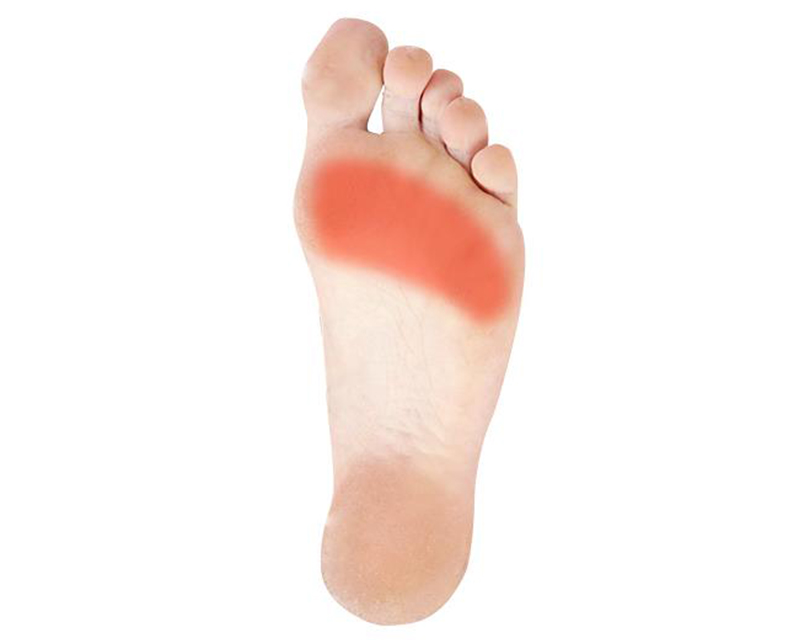
Metatarsalgia is a common condition that refers to pain and inflammation in the ball of the foot, particularly in the metatarsal region. In this condition, the ball of the foot becomes painful and irritated. It can be the result of various factors, such as high-impact sports and activities, poorly fitted shoes, and foot deformities. Although it’s not a serious condition most of the time, it can make movement difficult for some patients. At-home treatments, such as ice and rest, may help alleviate symptoms.
Peripheral Neuropathy
Peripheral neuropathy refers to a condition that affects the nerves outside the brain or the spinal cord. Some common causes of peripheral neuropathy are trauma, infections, and inherited conditions. Peripheral neuropathy commonly affects your feet and can cause a wide range of painful symptoms, including numbness, tingling, burning, and sharp pains. The symptoms worsen at night and may make it difficult to maintain balance and to walk. Peripheral neuropathy can also cause loss of sensation, making it harder to detect injuries or pressure on the feet.
Morton's Neuroma
Morton’s neuroma, also known as interdigital neuroma, refers to a damaged, enlarged intermetatarsal nerve that causes pain on the bottom of the forefoot, particularly in the region behind the third and fourth toes. The symptoms of Morton’s neuroma are sharp pain, burning sensation, tingling, or numbness that gradually spreads into these toes. This condition is likely caused by pressure or stress on the nerve due to footwear, foot conditions, repetitive high-impact activities, or trauma.
Sesamoiditis
Sesamoiditis is an inflammation of the sesamoid bones, which are small, seed-shaped bones embedded within tendons located beneath the big toe joint. Sesamoiditis is caused by overuse, particularly due to activities like dancing, running, or sports that require repetitive pressure on the ball of the foot. This condition is typically treated with rest, ice, pain relievers, and anti-inflammatory medications.
Tarsal Tunnel Syndrome
Tarsal tunnel syndrome refers to damage to the tibial nerve, which runs through the tarsal tunnel, a passageway of bone and ligaments in the ankle. The symptoms of tarsal tunnel syndrome include pain, burning sensation, weakness of the foot, and tingling on the bottom of the foot or the toes. This condition usually develops from overuse of the foot and the ankle, particularly while exercising strenuously or due to having a flat foot. Symptoms can be relieved through non-surgical treatment options, such as ice, rest, and lifestyle changes.
Plantar Warts
A plantar wart is a skin infection in the form of a wart appearing on the bottom of the foot or the toes. It is caused by the human papillomavirus (HPV) and results in bumps, which may be painful and uncomfortable, and make it difficult to walk. Physical activities such as walking, running, and playing sports become more difficult if there are multiple large warts. Treatment options include home remedies, medications, cryotherapy, and more.
Home Remedies for Pain on the Bottom of the Foot
There are several at-home remedies you can use for pain on the bottom of your feet. Some of these remedies include the following.
Stretching and Exercises
Certain exercises and stretches can help with pain on the bottom of the foot, particularly in conditions like plantar fasciitis. These therapeutic movements focus on improving flexibility in the calf muscles and the Achilles tendon, as well as strengthening the intrinsic muscles of the foot that support the arch. Some of these stretches and exercises include wall stretch, bent-knee wall stretch, towel stretch, toe flexion, marble pick-ups, towel curls, and heel raises. Consult your healthcare provider to learn more about the stretches that are best for your condition. Do a light warm-up before stretching or exercising, and be gentle and gradual with the movements. Be consistent for improved results, and if a stretch or an exercise hurts, visit a doctor.
Taping
"Taping" refers to taping a foot, also known as athletic taping or kinesiology taping. It is a technique used to support and to stabilize the foot and the ankle, often to prevent injuries, to reduce symptoms, and to manage pain. Taping involves applying a specialized, doctor-recommended tape to the skin to compress tissues, to restrict the movement of specific joints, and to improve the sense of body position and balance. Taping is usually a temporary form of treatment that helps you recover and avoid the risk of injury.
Medications
There are various medications that can help you manage pain on the bottom of the foot, depending on your specific condition and underlying health factors. Over-the-counter pain relievers, such as acetaminophen (paracetamol) or ibuprofen, can help reduce pain and inflammation. Patients can also apply topical NSAIDs like Voltaren gel directly to the affected area. In some cases, your doctor may prescribe steroid injections or oral corticosteroids for severe or persistent pain. Some conditions do not require medications, while others, like Morton's neuroma, do. Make sure you consult a doctor before taking any medication.
Lifestyle Changes
Some lifestyle changes can help you address pain on the bottom of your foot and reduce the risk of worsening symptoms and long-term injuries, and other complications. Doctors usually recommend supportive footwear or orthotics to manage foot pain. You should also prioritize rest and incorporate low-impact exercises and stretches in your routine. Weight management can also help some patients avoid foot problems. A balanced, healthy diet helps manage weight and reduce pressure on the feet. In addition, paying attention to your body and listening to it when it tells you to take breaks to avoid muscle or joint exhaustion is always recommended. For more specific lifestyle modifications, consult your healthcare provider.
Complications of Pain on the Bottom of the Foot
Pain on the bottom of the foot should not be taken lightly. Many people shrug off minor pain until it becomes too hard to handle. However, persistent pain can pose risks if left unaddressed. In addition to immediate discomfort, foot pain can result in prolonged inflammation and ankle strain, which can lead to chronic pain. Chronic pain in the foot can make it very difficult to walk or to stand. Untreated foot pain can also alter gait and posture, potentially leading to compensatory issues in other areas of the body, such as the knees, the hips, and the lower back.
Not putting effort into identifying and addressing the underlying cause, such as improper footwear or repetitive movement, can make the condition worsen or recur, potentially leading to more severe conditions like stress fractures and nerve entrapment. In some cases, severe, untreated pain can impact quality of life, limiting participation in physical activities and affecting overall well-being.
Contact Dr. Gary Driver for Treatment
Dr. Gary Driver is a fellowship-trained foot and ankle specialist who offers services aimed at helping with various forms of foot pain. With extensive experience and clinical expertise, Dr. Gary Driver takes a comprehensive approach to diagnose the root causes of discomfort in the bottom of the foot. He incorporates advanced diagnostic techniques with personalized treatment plans, which may include conservative therapies such as orthotics and physical therapy, as well as innovative surgical solutions when necessary. Don’t let foot pain stop you from living a healthy, happy life. Get in touch with Dr. Gary Driver’s office today to schedule a consultation.