Big toe joint pain can stem from various foot conditions and lifestyle choices. While some conditions are temporary and easily manageable, others may require medical intervention to prevent long-term health issues. Understanding what is causing the pain in your big toe joint is the first step to finding relief. In this article, we highlight 9 common causes of pain in the big toe joint and explore their symptoms and treatment options.
Big Toe Anatomy
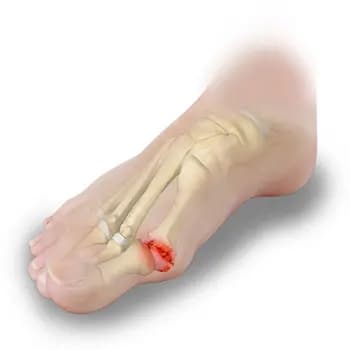
The big toes are designed to bear the body’s weight, assisting in daily activities like walking, standing, running, and balancing. They are made up of two bones, two joints, and numerous ligaments and tendons. These structural elements work together to provide the big toes with flexibility and power for mobility. The big toes also contain a network of nerves that receive pain signals caused by injuries, daily wear and tear, and ongoing medical conditions.
Causes of Pain in the Big Toe Joint
There are a number of conditions that can trigger pain in the big toe joint. Here are some of the most common culprits:
Bunions
A bunion forms when your big toe joint moves out of place, creating a bony protrusion at the base of your big toe. This misalignment forces the tip of your big toe inward, which causes strain on the joint and surrounding tissues. If left untreated, a bunion may lead to arthritis and chronic pain.
Symptoms
The most obvious symptom of a bunion is a visible bulge on the inner side of your foot. You may experience mild to severe pain in your big toe joint as a result of its misalignment. Wearing tight shoes and engaging in activities that place added strain on the toes can trigger pain.
Treatment
Mild bunions can be managed using non-surgical treatment options, such as pain-relief medication, footwear modifications, orthotics, and ice therapy. Severe bunions may need to be treated with surgical procedures like osteotomy or arthrodesis.
Toe Fractures
Toe fractures are cracks or complete breaks in the bones that make up the toes. They are often caused by sudden impact and are most common in athletes and physically active individuals. Even minor fractures can lead to inflammation, pain, and restricted mobility.
Symptoms
Toe fractures are characterized by sharp pain, bruising, swelling, an inability to bend the toe, and an inability to walk or put weight on the affected foot. Numbness and tingling are also associated with toe fractures.
Treatment
Rest, ice, compression, and elevation are effective at reducing initial swelling. Using pain relievers such as ibuprofen can also reduce inflammation. A severe fracture may require a cast and surgery.
Arthritis
There are multiple types of arthritis that can affect the big toe joint; however, the most common is osteoarthritis. This condition develops slowly as a result of wear and tear in the cartilage cushioning your toe joints. When this cartilage breaks down, it may cause your bones to rub together when you move, resulting in pain.
Symptoms
Common symptoms of arthritis include stiffness, pain, inflammation near the affected joint, and decreased mobility. Over time, the joint may develop visible bumps or deformities.
Treatment
Medication can help minimize inflammation and pain. Mild pain and stiffness can be managed with low-impact physical activities like swimming and cycling, orthotic inserts, and heat and cold therapies. For severe cases, surgery may be needed to fuse the big toe joint.
Extensor Tendonitis
Extensor tendonitis occurs when you overuse the tendons that allow you to lift your toes, causing irritation and microtears. Runners and hikers often develop this condition. Ignoring it can result in chronic pain and stiffness.
Symptoms
Extensor tendonitis is known to cause pain along the length of the affected tendon that worsens with use. Some may notice swelling or discoloration around the affected tendon.
Treatment
In most cases, this condition can be treated with medication and RICE (rest, ice, compression, and elevation) therapy. More severe cases may require physical therapy.
Capsulitis
Capsulitis is a condition in which the ligaments surrounding the joint of the toe become inflamed. Common triggers include wearing high heels on a regular basis and arthritis. Untreated capsulitis can lead to crossover toe, which is when the second toe crosses over the big toe.
Symptoms
Many experience pain in the ball of the foot, especially when walking barefoot. Symptoms can also include swelling and redness in the affected area.
Treatment
Avoiding high heels, stiff-soled shoes, and flip-flops can ease the pain caused by capsulitis. Sufficient rest, physical therapy, orthotics, splinting, ice, medications, and elevation are common non-surgical remedies to this condition. Severe cases may require surgery to correct deformities resulting from capsulitis.
Bursitis
Bursitis is a painful inflammatory condition that occurs when the bursae, fluid-filled sacs cushioning your joints, become irritated. In the big toe, this condition can result from improper footwear, injuries, and foot deformities.
Symptoms
You may notice the affected area turning red and becoming warm. You may also experience pain or a burning sensation that increases when you bend your toe or put on tight shoes.
Treatment
Conservative treatment options include rest, wearing proper footwear, using a walking cane, receiving a corticosteroid injection, and taking antibiotics if the bursitis was caused by an infection. In some cases, the bursae may need to be surgically drained of excess fluid.
Gout
Gout is a type of arthritis caused by a buildup of urate crystals in one or more joints. Severe and sudden bouts of pain characterize this condition, which can cause permanent joint damage if left untreated.
Symptoms
You may experience intense pain in your big toe joint, followed by a lingering discomfort that lasts for several days or even weeks. The skin around the affected joint will turn red and become swollen. As the condition develops, it may restrict your joint mobility.
Treatment
Certain lifestyle changes, such as reducing red meat intake, drinking more water, cutting back on alcohol, and shedding excess body weight, can help manage gout. You can also reduce inflammation by taking certain medications such as naproxen or ibuprofen. Your doctor may prescribe a combination of pain-relieving and uric acid-lowering medications for long-term symptom management. Severe pain can also be managed with corticosteroid injections.
Sesamoiditis
Sesamoiditis is the inflammation of the tendons surrounding the sesamoid bones in the feet. The sesamoid bones in the feet are located beneath the big toe joint. Sesamoiditis commonly occurs due to repetitive strain and is often associated with activities that require jumping or balancing, such as basketball and ballet.
Symptoms
This condition is associated with pain under the big toe that worsens with increased pressure on the forefoot. Some people may experience dull pain even at rest. You may also notice swelling, redness, and bruising in the affected area. Over time, sesamoiditis can cause difficulty bending your big toe, bearing weight on it, and walking.
Treatment
Wearing shoes with cushioned insoles and flat heels can help evenly distribute your body weight, reducing strain on your tendons. Taking an extended break from high-impact activities can also help reduce inflammation. If your symptoms persist after conservative treatment, you may need to have one of your sesamoid bones removed. However, this is only necessary in rare cases.
Turf Toe
Turf toe is the term commonly used to refer to a sprained big toe. This type of injury usually results from forceful overextension of the big toe during sports, which causes the ligaments in the big toe to stretch or tear.
Symptoms
When caused by a sudden injury, turf toe is associated with immediate pain. However, turf toe can also result from repetitive strain and manifest gradually. The base of your big toe may become inflamed, preventing you from moving your toe freely.
Treatment
Initial symptom management includes rest, ice, compression, and elevation. You can take medication to reduce discomfort and inflammation. Once the toe has healed sufficiently, physical therapy can be used to strengthen the toe muscles and enhance range of motion. Surgery may be necessary in severe cases.
When to See a Doctor
Most cases of big toe joint pain are usually manageable with rest, self-care, and over-the-counter pain relievers. However, if you experience persistent pain that does not improve with home remedies, it may be time to seek the help of a doctor. If you notice visible toe deformity or signs of infection, such as fever, swelling, and redness, seek medical attention immediately.
Preventing Pain in the Big Toe Joint
Here are some practical steps you can take to lessen the likelihood of experiencing pain in your big toe joint:
- Choose proper footwear: Opt for shoes with cushioning, good arch support, and a wide toe box so that your weight is evenly distributed and your toes are not being crowded together.
- Warm up before physical activity: Stretch your feet before engaging in intense workouts or sports.
- Maintain a healthy weight: Excess body weight can increase pressure on your feet, increasing your risk of developing joint pain.
- Strengthen your foot muscles: Perform regular exercises and stretches to improve the stability and flexibility of your feet.
Contact Dr. Gary Driver for Effective Treatment
Big toe joint pain can arise for various reasons. Some cases improve with home remedies, while others are indicative of a more serious problem. If the pain in your big toe joint is interfering with your ability to perform daily tasks and compromising your quality of life, it’s time to seek professional help. Dr. Gary Driver is an experienced foot and ankle specialist with a patient-centered approach to treatment. He focuses on addressing the root cause of his patients’ symptoms so that they can make a full recovery. Schedule an appointment today.