The abductor hallucis muscle plays a significant role in foot stability and movement. If this muscle is strained or overworked, it can lead to severe discomfort, disrupting your daily life. Effective management of abductor hallucis pain requires a proper understanding of this condition, from its triggering factors to various treatment options. This blog will guide you through everything you need to know about the condition, including complications, at-home treatments, and preventive measures.
What is the Abductor Hallucis?
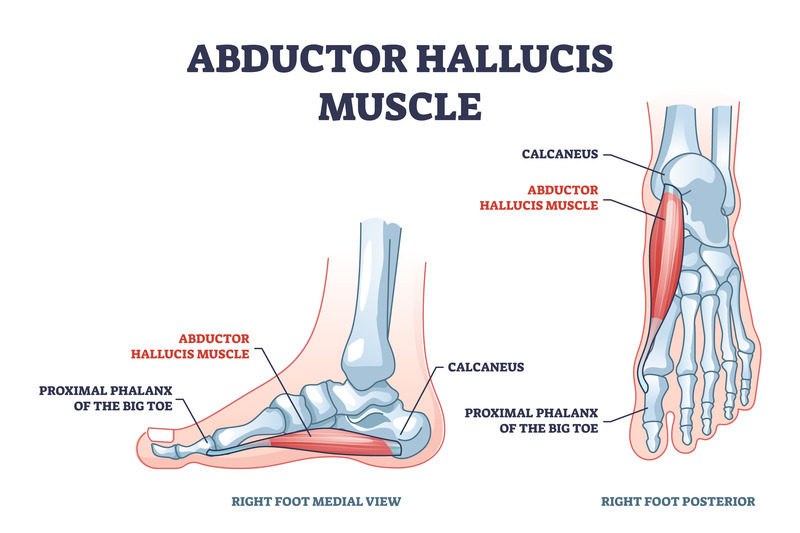
The abductor hallucis is a muscle in the foot that is situated along the medial arch, stretching from the calcaneus, or heel bone, to the base of the big toe. It lies beneath the plantar fascia and works in coordination with other small muscles to maintain foot stability during movement. The primary function of this muscle is to abduct (move away) and flex (bend) the big toe. This contributes to proper weight distribution and shock absorption.
Causes of Abductor Hallucis Pain
Below are some of the common factors that cause pain or strain in the abductor hallucis muscle:
- Overuse and repetitive stress: The abductor hallucis muscle becomes strained when it undergoes repeated stress without proper recovery. Activities such as running, ballet dancing, or jobs that require prolonged periods of standing can cause microtears in the muscle fibers over time. This gradual strain leads to inflammation and pain that worsens as the activity continues.
- Improper footwear choice: Shoes that lack proper arch support and are narrow in the toe area increase strain on the abductor hallucis. High heels cause strain by shifting excessive weight forward onto the toes, and flat shoes often do not provide the necessary arch support.
- Foot structure abnormalities: Individuals with flat feet have low arches, which provide less support to the bones in your foot. This places uneven stress on the muscle, creating chronic strain and persistent pain in the inner foot.
- Trauma or injury: A direct impact on your foot, such as dropping a heavy object, stepping on a sharp object, or an abrupt landing from a jump, can bruise or tear the abductor hallucis muscle.
- Increased physical activity: A sudden increase in intense physical activity, such as high-intensity exercises, running long distances, or athletes continuing sports after a long break, can put foot muscles under sudden strain.
- Excessive weight gain: Gaining excessive weight can lead to increased stress on the foot muscles, increasing the risk of injury or strain to the abductor hallucis.
- Imbalance of foot muscles: The pain in the abductor hallucis can stem from muscle imbalances in your lower leg or foot.
- Nerve compression issue: When the nerves passing near or through the abductor hallucis become irritated or compressed, it can cause pain. This often stems from conditions such as nerve entrapment.
- Medical conditions: Certain medical conditions, including bunions, peripheral neuropathy, diabetes, arthritis, and other inflammatory diseases, can affect the abductor hallucis muscle.
Diagnosis and Treatment of Abductor Hallucis Pain
To accurately diagnose abductor hallucis pain, healthcare providers begin with a thorough physical examination, assessing symptoms and discomfort. They evaluate your gait pattern, foot alignment, and range of motion to identify structural abnormalities in your foot. They may palpate to determine the exact point of pain. The diagnostic process may also involve imaging tests, such as magnetic resonance imaging or X-rays, to rule out muscle tears or bone fractures.
Non-surgical Treatment Options
Mild cases of abductor hallucis pain can be treated with non-surgical treatment options. Common treatments include:
- Sufficient rest and activity modification: You may need to stay off your feet and temporarily avoid high-impact activities like running, jumping, or prolonged standing.
- Ice therapy and anti-inflammatory medications: Applying ice packs for 15 to 20 minutes, several times daily, helps control swelling and discomfort during the acute phase. Anti-inflammatory drugs such as ibuprofen can manage pain temporarily by addressing mild inflammation.
- Orthotics and supportive footwear: Using arch supports and foot orthotics in your footwear corrects muscle imbalances and redistributes pressure evenly, causing less stress on the abductor hallucis muscle.
- Strengthening exercises: Specific types of strengthening exercises can help stretch your foot muscles and relieve strain from the abductor hallucis. Stand up with your feet comfortably apart. Then take your injured foot back, resting your toes on the floor and lifting your heels off the floor, until you feel a stretch through the arch and along the bottom of your foot. Hold each stretch for at least 20 seconds and repeat the exercise several times a day.
- Physical therapy: This treatment approach involves therapist-guided therapeutic interventions that help manage pain and inflammation. It may include electrical stimulation, heat and cold therapy, massage, ultrasound, and strengthening exercises.
- Shockwave therapy: For persistent pain and discomfort, shockwave therapy may be a viable option. This is a non-invasive treatment that utilizes shockwaves to stimulate blood flow to the injured tissues, providing relief from chronic inflammation and pain.
Surgical Treatment Options
Surgery is rare but needed when non-surgical approaches fail to address the pain. For patients with nerve compression symptoms, a surgical nerve decompression can relieve pressure on affected nerves. In case of tendon damage or structural abnormalities, surgical repair procedures may be required to restore proper function.
Complications of Abductor Hallucis Pain
If neglected, abductor hallucis pain can impact how you walk and create other strains or injuries due to excessive strain on the foot muscle. The untreated condition may cause other severe foot issues, such as plantar fasciitis, tibial posterior tendonitis, and bunions. The pain may spread, causing pain in the ankles and knees. Over time, you will experience reduced mobility, which can significantly impact your quality of life. The sooner you address the pain, the lower the risk of complications.
Treating Abductor Hallucis Pain at Home
For mild cases, these simple home remedies can help relieve pain and promote healing:
- Ice massage: Roll an ice pack under your foot for 5 to 10 minutes to reduce swelling.
- Supportive shoes: Wear footwear with good arch support and a wide toe area, even when indoors.
- Compression: Wrapping your foot with a bandage provides support to your injured muscle fibers and reduces inflammation.
- Elevation: Keep your foot elevated above the level of your chest to allow gravity to reduce swelling.
- Self-massage: Apply gentle pressure along the inner arch of your injured foot and massage in a circular motion for 2 to 3 minutes.
Preventing Abductor Hallucis Pain
To avoid abductor hallucis strain, wear supportive footwear with proper arch cushioning and sufficient toe space. Do not increase exercise intensity abruptly; instead, allow your muscles to adapt. Incorporate foot-strengthening exercises into your daily routine for good foot health. For those with flat feet, personalized orthotics can maintain foot alignment and reduce stress on foot muscles. Most importantly, do not ignore early warning signs, such as arch fatigue or foot pain, and address them immediately to prevent further escalation.
When to See a Doctor
Consult a healthcare professional if abductor hallucis pain persists for several weeks despite rest and at-home care. If the pain is sharp or unbearable, seek medical attention. Some of the conditions that may require professional consultation include:
- Visible swelling or bruising in your foot arch
- Numbness, tingling, or burning sensations
- Difficulty bearing body weight
- A visible foot deformity
Contact Dr. Gary Driver for Treatment
Abductor hallucis pain can be cured with the proper understanding and care. While mild cases are treatable through home-based remedies, severe cases require medical attention. If abductor hallucis pain is limiting your daily activities or athletic performance, Dr. Gary Driver’s specialized approach can help. He is a board-certified trauma and reconstructive foot and ankle surgeon who has helped countless patients restore their foot health through tailored treatment plans. His treatment approach addresses both symptoms and the root cause, ensuring lasting relief. Schedule an appointment today.