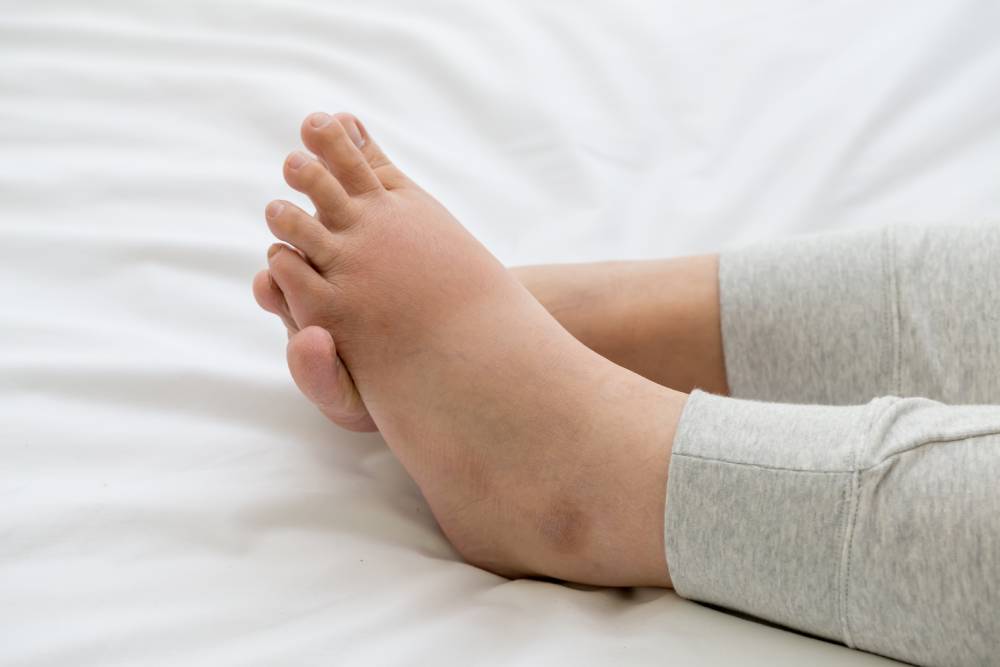
Concerned about swollen lymph nodes near your ankles? This article discusses the specific causes of lymph node swelling in detail, providing you with a clear understanding of why the swelling may have occurred near your ankle. We also expand on treatment options, self-care tips, preventive measures, and when you should seek medical care.
Can Lymph Nodes Swell Near the Ankle?
There are hundreds of lymph nodes scattered throughout the body, with clusters of nodes in areas such as the neck, the armpits, and the groin. Lymph nodes filter lymphatic fluid, helping the body get rid of germs and toxins. In the lower body, the majority of the lymph nodes are present in the groin. They drain lymph fluid from the entire leg, including the ankle and the foot.
Although there are no lymph nodes in the ankles, small lymphatic vessels pass through the lower leg, connecting the ankles to nearby lymph nodes. The lymphatic vessels can sometimes become inflamed, resulting in a condition called lymphadenopathy. The condition may be confused with localized swelling, which can have similar appearances and symptoms. A lymph node swelling usually feels hard or rubbery and doesn't move when pushed. Localized swelling, on the other hand, is usually filled with fluid and feels different than a hard lymph node.
Common Causes of Swollen Lymph Nodes Near the Ankle
The cause of swollen lymph nodes near your ankle can range from a simple infection to chronic health conditions like cancer. The following are the common causes of lymph node swelling.
Localized Infections
When the skin in your ankle area is broken due to a cut, a scrape, or a small crack, it can easily cause a bacterial infection to develop. Your body recognizes the contamination and responds by fighting back, resulting in redness, warmth, and swelling. Insect bites also trigger lymph node swelling near the ankle. As an insect stings, it injects irritants into the skin. While the body's immune system works to defend it from bite-related infections, it can lead to swelling of the lymph nodes. Even a fungal infection on the foot or the toes can cause nearby lymph nodes to swell if left untreated.
Systemic Infections
Swelling in the lymphatic system near the ankles can be caused by systemic infections. Viral infections such as the flu, a common cold, HIV, and mononucleosis can cause lymph nodes in different body parts, including the ankles, to swell. Serious bacterial infections, such as tuberculosis, can also lead to generalized lymph node swelling throughout the body. Lymphatic filariasis, a parasitic infection transmitted by the bite of a specific mosquito, can damage the lymphatic vessels in the ankle and cause severe swelling.
Lymphedema
This is a chronic condition that is caused by damage or blockage in the lymphatic system, often resulting from cancer treatment or genetic conditions. The impairment of lymphatic drainage affects the system's ability to drain fluid, leading to protein buildup in the tissues, especially in the legs and the arms. Over time, the protein buildup causes the skin in the affected area to thicken and harden. The lump formed in the affected area is often misinterpreted as lymph node swelling, but it is a failure of the entire lymphatic drainage system.
Autoimmune Conditions
In case of autoimmune conditions, the body's immune system attacks healthy cells. Conditions like rheumatoid arthritis, lupus, Sjögren's syndrome, sarcoidosis, and ALPS can trigger lymph node inflammation and enlargement throughout the body, including in the lower limbs.
Cancer and Lymphoma
Some cancer patients may experience lymph node swelling near the ankles triggered by this chronic condition. If the cancer persists in other parts of the body, it can spread to lymph nodes in the lower legs or the groin. Likewise, lymphoma, a type of cancer that starts in the lymphatic system, can also cause inflammation in lymph nodes near the ankle. Common warning signs include persistent swelling, weight loss, fatigue, and night sweats. These symptoms indicate the problem is severe and requires immediate medical attention.
When to See a Doctor
Although most lymph node swelling caused by the body's response to infection is temporary, some cases are severe. These cases require immediate medical help. If you are experiencing any of the following symptoms, it's an indication that you should see a doctor.
- Swelling that lasts more than two weeks. This symptom indicates that your body is unable to fight back the infection on its own.
- Signs of infection. Fever, increased redness, warmth, or pus indicate an active infection that might be spreading. Experiencing a fever that doesn't go away is a significant indication that your body is struggling to control the infection effectively.
- Accompanied by systemic symptoms. Symptoms like unexplained weight loss or night sweats are major red flags. These symptoms are often associated with systemic conditions and require proper medical care.
- History of cancer or immune disorders. If you have a history of cancer or immune disorders, any new swellings must be checked. These conditions make you susceptible to infection and inflammatory responses, which can cause lymph node swelling.
How are Swollen Lymph Nodes Diagnosed?
The medical diagnosis of swollen lymph nodes typically involves the following steps.
Physical Examination and Medical History
Doctors start by asking detailed questions about the patient's overall health and the inflammation. They also ask about any recent injuries or illnesses to evaluate your health conditions. A physical examination involves checking the swollen area near your ankle for its size, texture, and warmth. Doctors also assess any signs of infection and symptoms to understand the cause of the swelling.
Blood Tests
Blood tests are used to confirm any suspicion regarding the underlying cause of the swelling. A complete blood count test helps assess your overall health condition and detect the presence of various medical conditions, such as leukemia and infections. Other tests may also be performed to check if the infection is bacterial or viral. These tests are designed to help doctors determine a more accurate diagnosis.
Ultrasound or MRI of the Ankle or the Lower Leg
Ultrasound and MRI are imaging tests that let doctors see the tissues beneath the skin for an accurate diagnosis. An ultrasound uses sound waves to generate a picture of the swelling, showing blood flow and the structure of the lymph nodes. An MRI scan utilizes radio waves and magnetic fields to create an even more detailed picture of the inflammation. It helps determine whether the lymphatic problem is caused by an infection or another underlying condition, such as cancer.
Lymph Node Biopsy
If there is any suspicion of cancer, a lymph node biopsy is required. This procedure involves removing a small piece of the swollen lymph node or tissue for analysis. The sample is examined under a microscope to check for cancer cells, such as those found in lymphoma. A biopsy is usually only suggested if other tests indicate the possibility of cancer.
Lymphoscintigraphy
This is a nuclear medicine imaging test that helps doctors see the lymphatic system and detect the presence of any disease. It uses a special camera to monitor the lymphatic system. The scan creates a map that shows blockage in the lymphatic vessels.
Treatment Options for Swollen Lymph Nodes
Below are standard treatment options for swollen lymph nodes, explained in detail.
Treating Underlying Infections
If the swelling is caused by a bacterial infection, your doctor will likely prescribe antibiotics to help your body fight the infection. For fungal infections, an antifungal cream or oral medication may be required. In cases of swelling due to a viral infection, a course of antiviral medication is prescribed. In addition to medications, regular cleaning in the affected area is essential for the healing process.
Anti-Inflammatory Medications
Anti-inflammatory medications are necessary to manage pain and to reduce inflammation and swelling. Common NSAID medications used for lymph node inflammation include ibuprofen, which is considered very effective at managing pain. For more severe inflammation resulting from autoimmune disorders, doctors may prescribe corticosteroids to reduce inflammation and the size of the swollen lymph nodes.
Supportive Care
Elevating your leg above the level of your heart helps drain excess lymphatic fluid with the help of gravity. In addition, compression socks help apply consistent pressure to the swollen lymph nodes, supporting fluid drainage. Applying a warm compress to the affected area is also a helpful technique that can help reduce swelling. These supportive care methods should be used several times a day to accelerate the healing process.
Treatment for Serious Conditions
If the lymph node swelling is due to cancer, the treatment becomes more complex. Lymphoma or metastatic cancer may require chemotherapy or radiation therapy, which destroys cancer cells. If you have autoimmune-related conditions, you may undergo immunotherapy to support the recovery of severe swollen lymph nodes. In more serious conditions, surgical intervention may be the necessary option to enable proper fluid drainage.
Home Remedies and Self-Care Tips
Combining medical treatment with proper home remedies and self-care methods can support recovery and provide comfort. Common self-care tips for swollen lymph nodes near the ankle include the following.
- Rest the affected leg. Give your affected leg adequate rest. Avoid prolonged standing, walking, jumping, and performing physically demanding exercises. Reducing physical stress can support fluid movement, which may help reduce inflammation.
- Massage for lymph drainage. Gently massaging the affected area may help lymphatic fluid drainage. Do this for at least a few minutes, twice a day.
- Stay hydrated. Drink water sufficiently throughout the day to maintain healthy lymphatic function. Proper hydration can help thin the lymphatic fluid and support its passage through the lymphatic vessels.
- Monitor for changes in size, pain, or texture. Check the affected area daily and observe changes by touching the swollen lymph nodes. Gently press them to check if the pain persists.
Preventing Lymph Node Swelling in the Lower Leg
These are the preventive measures for swollen lymph nodes in the lower leg:.
Proper Hygiene and Skin Care
Maintaining good hygiene, especially of the feet and the ankles, decreases the risk of infection. Follow a proper hygiene and skin care routine, such as washing your feet with mild soap and water, making sure to dry them properly, and applying moisturizer regularly. These simple practices remove irritants from your skin and prevent dry, cracked skin, protecting your feet and ankles from potential infections that can affect the lymphatic system.
Promptly Treating Cuts, Wounds, and Infections
Never ignore any cuts, wounds, or infections; treat them immediately. If left untreated, they can trigger nearby lymph nodes and cause swelling. Clean wounds with water and apply an antiseptic solution. Cover the area to protect exposed skin from bacterial and fungal infections. If you notice any signs of infection, such as pus or increased redness, consult a doctor to prevent complications.
Wearing Protective Footwear
Wear comfortable footwear that fits well and provides good support to your feet and ankles. This helps prevent the formation of blisters and skin irritation, which can lead to infection and lymphatic swelling.
Managing Chronic Conditions
If you have a chronic condition like diabetes or an autoimmune disorder, consistently follow the prescribed treatment plan to keep the condition under control. Good overall health management supports a healthy immune system and a properly functioning lymphatic system.
Final Thoughts
Swollen lymph nodes near the ankle often appear as a temporary condition that typically resolves within a few weeks. However, some cases can be severe, requiring immediate medical attention. If you notice any persistent swelling in your ankle region, schedule a visit with Dr. Gary Driver for a personalized foot treatment plan. He is a board-certified foot and ankle specialist who implements tailored approaches to address the underlying issues. For a lasting recovery, book an appointment today.
Frequently Asked Questions (FAQs)
How long should I wait before seeing a doctor for swollen lymph nodes?
If the swelling persists for more than two weeks or the lymph node gradually increases in size, it is a sign that you should consult a doctor.
Is it normal to feel a hard lump near my ankle?
A hard lump near your ankle is most likely an indication of a ganglion cyst. Often, these lumps are not harmful. However, it is essential to have the lump evaluated by a doctor to determine its origin and potential health implications.
Can insect bites cause lymph nodes in the lower leg?
An insect bite can cause the nearby lymph nodes to react, since it can introduce irritants into the skin. The immune system responds to fight off the potential infection, which often causes swelling. If the lymph node does not resolve on its own and is accompanied by symptoms such as fever and pain, consult a healthcare provider.
What imaging is used to check for lymph node issues?
If a lymph node is suspected, doctors may perform lymphangiography. This imaging test creates clear images of your body's lymphatic system using X-ray or MRI. It helps doctors identify nodes and diagnose accurately.
What's the difference between lymphedema and lymph node swelling?
Lymph node swelling, which is also called lymphadenopathy, occurs when the lymph nodes become enlarged. It usually happens as a result of the body's immune system fighting an infection. Lymphedema, on the other hand, is the swelling of tissues in body parts, like arms or legs. This condition is often caused when the lymphatic vessels that carry fluid are blocked due to the accumulation of protein-rich fluid in the vessels.
Can lymph node swelling go away on its own?
Many individuals may notice that their swollen lymph nodes improve on their own. If the swelling is caused by a temporary infection, the body successfully fights off the infection, allowing the lymph nodes to gradually return to their normal size within a few days or weeks. However, if the swelling persists, you will need proper medical treatment to address the underlying cause.