There are various types of ankle sprains and fractures, one of which is a medial malleolar fracture. The medial malleolus is the bony prominence on the inside of your ankle, and a fracture here can significantly impair your ability to walk and bear weight. These fractures can range in severity from a hairline crack to a complete break, sometimes involving displacement of the bone fragments.
Understanding the specific type of medial malleolar fracture you have is crucial for determining the most effective course of treatment and rehabilitation. Early diagnosis and appropriate intervention are key to a successful recovery and preventing long-term complications.
In this blog, we will delve into the details of different types of medial malleolar fractures, their common causes, and where to seek suitable treatment for this fracture.
What Is a Medial Malleolus Fracture?
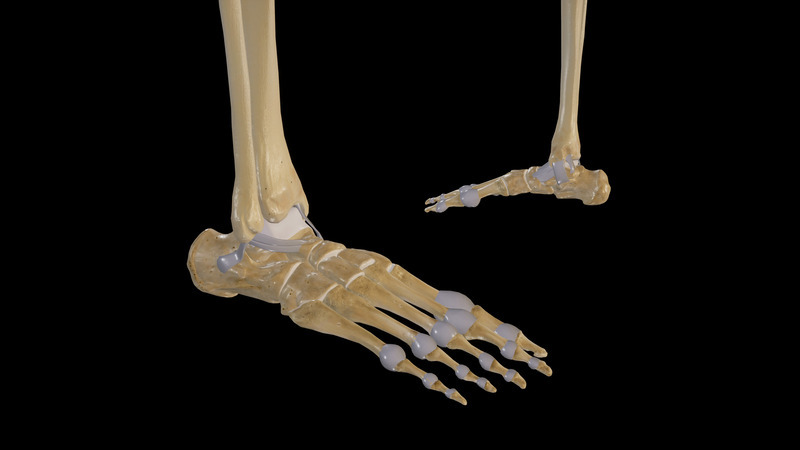
A medial malleolus fracture is a fracture of the lowest part of the tibia (shinbone), which forms the inner part of the ankle joint. A medial malleolus fracture may be an isolated fracture, but it is often associated with fractures in other parts of the ankle. This is a rare ankle fracture; it may be associated with substantial collateral ligament injury or more complex fractures. Older women and young athletes are the most common victims of this fracture.
The severity of medial malleolus fractures can vary widely, from a clean break that requires a cast to a more complex fracture that necessitates surgery. Recovery time also varies depending on the severity of the fracture, typically involving surgery and a period of immobilization, followed by physical therapy to regain strength and mobility. Early diagnosis and appropriate treatment are vital for proper healing and to prevent long-term complications, such as chronic pain or instability.
Common Causes of Medial Malleolar Fractures
Medial malleolar fractures are usually caused by physical activities that result in sprain or strain of the ankle. Activities such as running, jumping, and playing contact sports often involve sudden changes in direction or impacts that can put stress on the ankle joint and cause a fracture. Falls, especially those where the foot twists awkwardly, are another common cause. High-impact events like car accidents can also lead to medial malleolar fractures due to the immense force exerted on the ankle.
Here are a few causes of medial malleolar fractures:
- A foot forcefully rolls inward: When the foot forcefully rolls inward, it causes compression of the medial malleolus on the inner side of the ankle. This twist typically occurs during activities that involve sudden changes in direction or impact, such as sports or falls. The degree of inward rolling and the force applied determine the severity of the compression and potential fracture.
- A foot forcefully rolls outward: When the foot forcefully rolls outward, it puts tension on the medial malleolus, which can cause a fracture. This outward rolling motion can happen during sports activities, falls, or even missteps. The severity of the fracture depends on the force of the roll and the angle at which it occurs.
- Stress fractures: The medial malleolus fracture can also occur due to repetitive stress, which is particularly common in endurance athletes and people with low bone density (osteoporosis). Such stress fractures often present with a gradual onset of pain that worsens with activity and improves with rest.
- Other ankle fractures: Other ankle fractures can also result in medial malleolar fractures. These are often known as bimalleolar and trimalleolar fractures, which injure two or more sides of the shinbone. These more complex fractures often involve significant ligament damage and can lead to instability of the ankle joint.
Types of Medial Malleolar Fractures
Medial malleolar fractures can occur in various ways and affect different areas of the ankle. The specific type of fracture depends on the direction and intensity of the force applied to the ankle. Depending on the severity, these fractures can range from hairline cracks to complete bone fragmentation. Some common types of medial malleolar fractures include:
Avulsion Fractures
An avulsion medial malleolar fracture occurs when a tendon or ligament stretches and pulls off a piece of bone from the inner ankle. Avulsion fractures usually occur when a strong force, like a sudden impact or muscle contraction, is applied to the bone through the tendon or ligament. Treatment typically involves wearing a walking cast or boot, depending on the level of pain. If the avulsion fracture is severe, surgery may be required to reattach the bone fragment. Recovery time depends on the severity of the fracture and often involves physical therapy to regain strength and mobility in the affected ankle.
Transverse Fractures
A transverse fracture is a fracture that occurs in the same direction as the ankle joint. It generally does not affect the weight-bearing portion of the ankle. Sometimes, surgery is needed to stabilize the ankle joint after a transverse fracture. Surgery may involve inserting screws to repair the joint.
Oblique Fractures
An oblique medial malleolar fracture typically occurs along with a rotational injury that starts outside of the ankle. This fracture often occurs at the corner of the ankle joint and is associated with an oblique fibular fracture. If you have an oblique medial malleolar fracture, it means you have an unstable ankle, and you may require surgery instead of casting. Weight-bearing activities should be avoided during recovery to prevent further injury and promote healing. Physical therapy will play a crucial role during recovery, focusing on exercises that enhance the range of motion and stability.
Vertical Fractures
A vertical fracture typically occurs when sudden or excessive force is applied more to the leg bone and extends into the weight-bearing portion of the ankle joint. Vertical medial malleolar fractures may require more than just screws to stabilize the ankle. Most of the time, doctors use a metal plate with screws on both sides of the fracture line. This stabilization is crucial to prevent further displacement and ensure proper healing, especially given the significant load the ankle joint bears during daily activities. Rehabilitation often involves a non-weight-bearing period followed by gradual mobilization and strengthening exercises to restore full function.
Comminuted Fractures
Comminuted fractures are generally high-energy and high-trauma injuries that break the bone into multiple pieces. Comminuted medial malleolar fractures are very challenging to treat because the surface area for a surgeon to reconstruct the bone fragments is very limited. Most of the time, doctors use a special device called a peg hook to repair comminuted fractures. Despite the difficulties, successful treatment and ankle repair are crucial for restoring ankle stability and function. Rehabilitation typically involves a prolonged period of non-weight-bearing and physical therapy to regain range of motion.
Contact Dr. Gary Driver for Treatment
Medial malleolar fractures are rare but serious injuries that require specialized treatment due to their impact on ankle stability and function. Learning about the causes and types of medial malleolar fractures can help you seek treatment and prevent such injuries in the future. If you are seeking expert medical care and treatment for medial malleolar fractures, Dr. Gary Driver - a foot and ankle surgeon, offers specialized treatment, including comprehensive diagnostic evaluations, personalized treatment plans, and dedicated post-operative care. Book an appointment today.
Frequently Asked Questions (FAQs)
How long does a medial malleolar fracture take to heal?
A medial malleolar fracture can take somewhere between 6 to 12 weeks to heal. The exact time frame depends on the type of medial malleolar fracture you have and the treatment you are undergoing.
Can a medial malleolar fracture heal without surgery?
Some medial malleolar fractures, like avulsion fractures, can heal without surgery. However, for vertical, comminuted, oblique, and transverse fractures, surgery is often recommended. Such surgeries are minor, though, and have a fairly short recovery time.
Can you walk with a medial malleolus fracture?
You shouldn’t walk with a medial malleolus fracture because putting weight on the ankle worsens the pain and injury. Consult your doctor before applying any pressure to your ankle.