Healthy feet help you stay active, comfortable, and pain-free. But when thick, rough skin starts to build up, especially on your feet, ankles, or around the ankle, it can make walking or wearing shoes uncomfortable. This common skin condition is called hyperkeratosis, and it usually happens because of pressure or chafing.
While it might seem harmless at first, ignoring it can lead to discomfort and even skin complications. Whether it’s thick skin on your feet or hyperkeratosis around your ankle, knowing your options for hyperkeratosis treatment is important. The good news is that with the right hyperkeratosis treatment, you can protect your skin.
In this guide, we’ll explain what causes hyperkeratosis, the different types of hyperkeratosis, and how to treat and prevent it.
What is Hyperkeratosis?
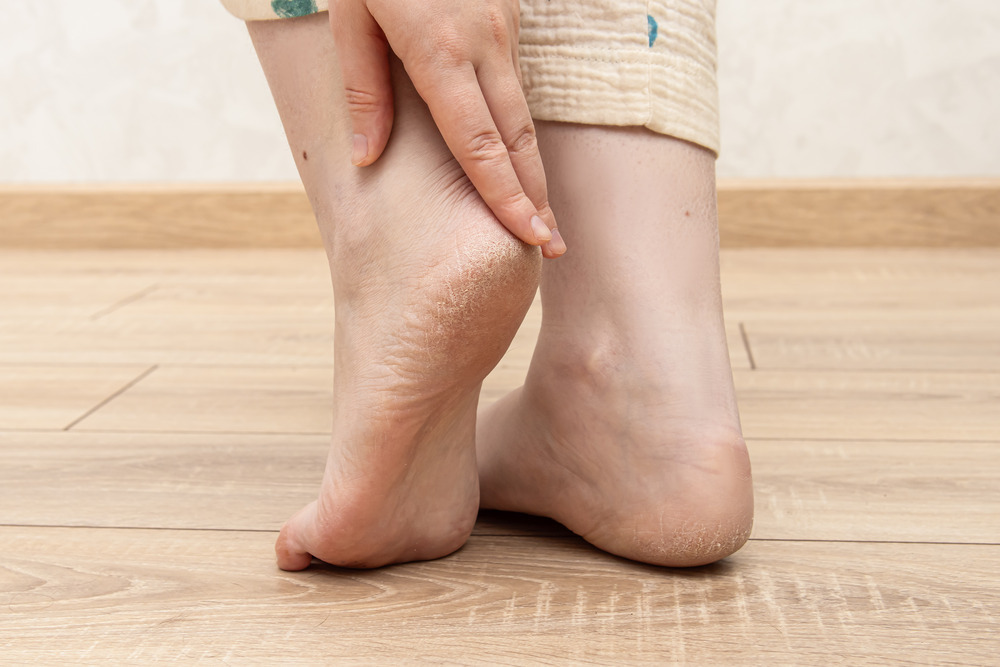
Hyperkeratosis is a common skin condition where the outer layer of the skin becomes thick and rough. It happens when too much keratin, a natural protein in skin, builds up in one area. This usually affects areas that experience a lot of pressure or friction, such as the feet, heels, or around the ankle. You might see dry, hard patches that can feel uncomfortable. If not treated, it can lead to more serious skin issues.
Types of Hyperkeratosis
Hyperkeratosis can show up in different ways depending on what’s causing it and where it appears on the body. Here are some types that you should be aware of:
- Calluses: These are thick, rough patches of skin that form from repeated rubbing or pressure, often on the soles or sides of the feet. They’re usually flat, wide, and not very painful, but they can become uncomfortable over time.
- Corns: Corns are similar to calluses but smaller and more concentrated. They usually appear on the tops or sides of the toes and may have a hard center. Corns can be painful, especially when shoes put pressure on them.
- Clavus: Clavus is a painful, localized form of hyperkeratosis that looks like a small bump or lesion. It often forms from pressure caused by tight shoes or bony areas of the foot.
- Epidermolytic Hyperkeratosis: A very rare, genetic form of hyperkeratosis that causes scaly, thick skin across various parts of the body, including the feet. It typically appears at birth or in early childhood.
- Lichen Simplex Chronicus: Caused by frequent scratching or rubbing, this type of hyperkeratosis leads to thick, itchy patches of skin. It’s often linked to ongoing skin irritation or stress.
Causes of Hyperkeratosis
Hyperkeratosis typically occurs when the skin is subjected to excessive pressure, rubbing, or irritation. This can result from wearing tight shoes, walking barefoot on hard floors, or standing for extended periods. Foot problems like flat feet or bunions can also add extra stress to certain areas. Dry skin and health conditions such as diabetes, eczema, psoriasis, arthritis, or obesity can increase the skin's susceptibility to thickening. In some cases, it runs in families.
Hyperkeratosis Treatment Options
There are several ways to treat hyperkeratosis, depending on how severe it is and what’s causing it. Let’s explore the most effective hyperkeratosis treatment options to help you feel better and stay on your feet.
Home Remedies for Hyperkeratosis
If you have a mild case of hyperkeratosis, you can usually treat it at home. Start by soaking your feet in warm water to soften the skin. Then, gently scrub the thickened areas with a pumice stone. Afterward, apply a good moisturizer to help smooth out any rough patches. It's also important to wear comfortable shoes that fit well and to use soft pads or insoles to reduce pressure on your feet.
Clinical Treatment for Hyperkeratosis
If at-home remedies don’t help, a doctor can provide stronger treatment. A foot specialist like Dr. Gary Driver can safely remove thick skin and figure out what’s causing the problem. You might get prescription creams to soften the skin or custom shoe inserts to reduce pressure. If the thick skin is linked to a health issue like diabetes or foot shape, treating that problem is important. In serious cases, a small procedure may be needed to relieve pain and stop it from coming back.
Preventing Hyperkeratosis on the Feet and Ankles
To help prevent hyperkeratosis, take simple steps to care for your feet. Wear comfortable, supportive shoes that fit well to avoid rubbing and pressure. Don’t walk barefoot on hard floors, and keep your feet moisturized every day, especially after a bath or shower. Use soft pads on areas that get extra pressure, and trim your toenails the right way to avoid added stress. Check your feet often so you can catch any thick skin or changes early and treat them before they get worse.
When to See a Doctor for Hyperkeratosis
If thickened skin becomes painful, cracked, or starts bleeding, or if it just won’t improve with home care, it’s time to see a doctor. These could be signs of an underlying issue like diabetes, poor circulation, or foot structure problems. You should also get help if the area looks red, swollen, or infected, or if walking becomes difficult. A foot specialist can identify the cause and help you treat it, ensuring your feet stay healthy and comfortable.
Take Control of Your Foot Health
Thickened, painful skin shouldn’t slow you down. Whether you're struggling with hyperkeratosis or another foot issue, expert care is within reach. At Dr. Gary Driver, we provide personalized treatment to get you back on your feet, comfortably and confidently. As a fellowship-trained foot and ankle surgeon, Dr. Driver offers both non-invasive care and advanced solutions tailored to your needs. Call today to schedule your appointment and take the first step toward healthier, pain-free feet.
Frequently Asked Questions (FAQs)
What is the best hyperkeratosis treatment for feet?
The best treatment depends on the severity of the thick skin and the underlying cause. For mild cases, gently scrubbing your feet and applying a good moisturizer daily, especially one containing salicylic acid, can be beneficial. If the skin is very thick, painful, or not getting better, you may need to see a doctor. They can safely remove dead skin, provide you with stronger creams, or suggest custom shoe inserts to alleviate pressure and prevent recurrence.
Is hyperkeratosis contagious?
No, hyperkeratosis is not contagious. You can’t catch it or spread it to others. It is caused by pressure, rubbing, or genetics, rather than by germs or infections.
Can hyperkeratosis lead to other foot problems?
Yes, if you don’t treat it, hyperkeratosis can get worse. The thick skin might crack, which can lead to pain, infections, and trouble walking. This is extra risky for people with diabetes or poor blood flow.