Key Takeaways
-
Roomy, supportive shoes, protective padding, and appropriate orthotics may reduce pressure on the bunion and improve daily comfort.
-
Toe spacers, splints, and exercises can support comfort and mobility, but they do not permanently realign the bones.
-
Surgery is the only treatment that can structurally correct a bunion and is usually considered when pain limits walking, shoe wear, or daily activities.
-
Early attention to shoe fit, activity-related symptoms, and joint changes may help keep a mild bunion from becoming more troublesome.
A bunion is more than a bump beside the big toe. It is a change in joint alignment that can make everyday shoes uncomfortable, turn a walk into a painful task, or limit activities you enjoy. Non-surgical care can often reduce pressure, calm irritation, and help you stay active, even though it cannot put the bones back into their original position. But if pain or loss of function continues despite conservative care, surgery may be the option that provides needed structural correction.
What Is a Bunion?
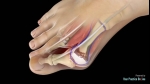
A bunion, also called hallux valgus, is a progressive alignment deformity at the first metatarsophalangeal (MTP) joint, where the big toe meets the foot. As the big toe angles toward the second toe, the joint at its base shifts outward and creates the familiar bony prominence along the inside of the forefoot. That altered position can change how pressure is distributed through the foot, leading to stiffness, shoe rubbing, swelling, or pain when walking.
Can Bunions Go Away on Their Own?
Redness and swelling may ease after you change shoes or rest the foot, but the bony alignment of a bunion does not return to normal on its own. Some bunions remain mild for years, while others gradually become more prominent or painful as the joint continues to shift. Conservative treatments can improve comfort and may slow symptom progression by reducing pressure on the joint. However, surgery is required when structural correction is appropriate for a patient’s symptoms and goals.
Non-Surgical Ways to Manage or Get Rid of Bunion Pain
Not all bunions or bunion presentations require surgical intervention. For milder cases that do not involve severe deformity of the joint or chronic pain and discomfort, many non-surgical modifications and treatments exist to manage symptoms, such as adjusting current footwear, adding padding or tape to prevent pressure on the joint, icing the affected area, or adding stretching exercises to your daily routine.
Footwear Adjustments
Shoes that match the present shape of your foot can make a meaningful difference in bunion pain. Look for a broad, deep toe box so the big toe joint is not pressed against the side of the shoe, and choose uppers that do not rub directly over the bump. A low heel and a stable, supportive sole may reduce strain on the front of the foot during standing and walking. A new shoe will not straighten the bunion, but avoiding narrow, pointed, or high-heeled styles can reduce repeated irritation.
Padding, Taping, and Orthotics
A bunion pad or gel shield can protect the prominence from friction inside the shoe and may make walking more comfortable. Toe spacers can create temporary room between the first and second toes, while taping may help hold the forefoot in a more comfortable position during activity. If you try taping, a clinician can show you a technique that does not create new pressure points. Additionally, a custom or over-the-counter orthotic may help support the arch and evenly distribute pressure across the foot, although they do not permanently correct the bone alignment.
Lifestyle Changes
Bunion symptoms often become more noticeable after long periods on your feet or after activities that repeatedly place load on the forefoot. Breaking up prolonged standing and choosing lower-impact exercise, such as cycling or swimming, may give the irritated joint a chance to settle. If body weight is contributing to foot stress, gradual weight management may reduce the overall load deposited onto the forefoot. The goal is not to stop moving. It is to choose activity patterns that allow you to remain active without repeatedly aggravating the joint.
Home Remedies for Relief
After a day of standing or walking, a short, protected ice application may ease temporary swelling and soreness. Place a cloth between the ice pack and your skin, and ask a clinician for guidance before using cold therapy if you have poor circulation, reduced sensation, or another condition that affects your feet. Over-the-counter pain relievers, including ibuprofen or acetaminophen, may help with occasional discomfort for some people. Follow the product directions, and consult a clinician or pharmacist before starting a new medication if you have a health condition, take blood thinners, have kidney disease, or have a history of stomach ulcers.
Bunion Exercises and Stretches
Gentle foot and calf exercises may help preserve big toe mobility and support the muscles around the joint. Toe spreads, picking up small objects with the toes, and a careful manual stretch of the big toe can ease stiffness for some people. Calf stretching may be useful when tightness affects the way the foot moves during walking. These exercises can support comfort and function, but they cannot reverse the bony deformity; stop the exercise immediately if it causes sharp or worsening pain.
Medical and Professional Treatments
When at-home remedies are not sufficient in maintaining comfort and managing symptoms, more in-depth medical assessments may be required to determine the next best course of treatment, whether that involves surgical intervention or non-surgical care plans.
Non-invasive Medical Interventions
If home measures are not providing enough relief, a clinician can examine the foot and may order standing X-rays to assess joint alignment, arthritis, and the severity of the deformity. Professional non-surgical care may include individualized shoe recommendations, prescription or custom orthotics, and physical therapy for gait or mobility concerns. Depending on the source of pain and inflammation, selected medication or an injection may be considered. The purpose of this care is to reduce symptoms and address mechanical stress while keeping treatment aligned with your daily needs.
Surgical Treatment for Bunions
Surgery is generally considered when bunion pain persists, walking or other activities are limited, or it is difficult to wear reasonable shoes despite conservative treatment. The procedure is selected according to the joint’s alignment, arthritis, severity, and your activity needs, rather than using a one-size-fits-all approach. It may involve repositioning the bone with an osteotomy, balancing surrounding soft tissues, or, in more advanced arthritis, fusing part of the joint.
Because recovery, risks, and expected results differ from person to person, surgery should follow a detailed discussion with a qualified foot and ankle surgeon and should not be pursued for cosmetic reasons alone.
Common Causes of Bunions
Bunions are often caused by a combination of factors, including genetics, poorly fitting footwear, non-optimal foot mechanics, previous injuries, or stressors related to your lifestyle. Understanding these potential contributing factors is therefore important for both preventing and managing bunion-related symptoms.
Genetics
Bunions often run in families, although people inherit foot shape and mechanics rather than the bunion itself. Flat feet, low arches, or ligament laxity may place the big toe joint under stress in a way that makes a bunion more likely to develop. This helps explain why someone can develop a bunion even when they usually wear sensible shoes.
Improper Footwear
Narrow, pointed, or high-heeled shoes do not cause every bunion, but they can aggravate a foot that is already susceptible. High heels move weight toward the front of the foot and can crowd the toes into the narrowest part of the shoe. Over time, that repeated pressure may increase discomfort and accelerate symptoms.
Flat Feet, Arthritis, or Foot Injuries
Foot mechanics that place added stress on the first MTP joint, including flat feet or loose supporting ligaments, may contribute to bunion development. Inflammatory arthritis, such as rheumatoid arthritis, can affect the joint and supporting tissues, which may increase the risk of deformity. A previous injury or repeated stress to the foot can also change how the joint bears weight.
Lifestyle and Occupational Factors
Jobs or routines that require long hours of standing or walking can make bunion symptoms more noticeable because the forefoot is under repeated load. Required work footwear, including restrictive dress shoes or boots, may add pressure to a sensitive joint. These factors do not cause bunions in every person, but they can worsen symptoms in someone with a predisposed foot shape.
Symptoms and Stages of Bunion Development
Bunions often first manifest with mild symptoms, such as soreness after exercise or a small bump on the big toe joint. However, over time, symptoms can worsen, resulting in increased discomfort and trouble walking. Listed below are the common indications associated with early, moderate, and severe bunion presentations.
Early Signs: Mild Bumps and Soreness
Early on, you may notice a small bump at the base of the big toe or mild soreness after wearing tight shoes. Temporary redness and tenderness can appear when the shoe rubs against the joint or after a long day on your feet. Addressing shoe fit at this stage may reduce irritation before the problem becomes more limiting.
Moderate: Swelling, Redness, and Pain in Walking
As the deformity progresses, the bump may become more visible, and the big toe may begin to angle toward the second toe. Walking can bring more persistent soreness, swelling, redness, or stiffness around the joint. Corns and calluses may develop where the toes or shoe repeatedly rub against the foot.
Severe: Difficulty Walking, Overlapping Toes, and Pain
In a more advanced bunion, the big toe may cross over or under the adjacent toes, sometimes contributing to hammertoe changes (the upward curving of the middle toe joint). The joint can become stiff and painful enough to make walking or finding comfortable shoes difficult. Non-surgical care may still ease pressure, but an evaluation for surgical treatment may be reasonable when pain and functional limits continue.
How to Prevent Bunions from Getting Worse
Because bunions are progressive in nature, it is important to adopt measures early on that stall the progression of joint deformation. This includes changes to your day-to-day lifestyle, such as switching to more comfortable footwear and adding a daily foot care routine. It also means seeking medical advice as soon as you notice symptoms.
Footwear Habits for Long-term Health
Check shoe fit regularly, especially if you notice pressure on the big toe joint. A deep, wide toe box, a low heel, and a supportive sole can reduce crowding and help the foot move more comfortably. Save narrow or high-heeled shoes for infrequent, short wear, if you choose to wear them at all.
Daily Foot Care Routines
A quick daily check for new calluses, redness, or skin irritation can help you catch pressure problems early. Use padding during activities that rub the bunion, and keep the area clean and dry to protect the skin. Gentle stretching or massage at the end of the day may reduce foot muscle tension.
Early Intervention Tips
Do not wait until a bunion interferes with walking before seeking advice. Bring your everyday shoes to an appointment so a clinician can assess how they fit and where they apply pressure. If symptoms persist or the toe position is changing, early guidance on footwear, orthotics, or other conservative care may help you stay more comfortable.
Book an Appointment to Discuss Your Bunion-related Concerns
Deciding how to manage a bunion usually starts with an honest assessment of what is limiting your comfort and mobility. Dr. Gary Driver is a triple board-certified, fellowship-trained foot and ankle surgeon serving Fort Worth and Weatherford. Recognized as a Top Doctor in Fort Worth since 2021, Dr. Driver offers personalized care grounded in honesty, integrity, and fairness, whether you need conservative guidance or an evaluation for surgical correction.
If you are experiencing soreness in your big toe joint, discomfort during walking and exercising, or seeing visible signs of joint position change, book an appointment today so you can maintain your lifestyle and return to doing the activities you love.
Disclaimer: This article is for educational purposes only and does not constitute medical advice. A qualified healthcare professional should provide diagnosis and treatment recommendations tailored to your individual health needs.
Frequently Asked Questions (FAQs)
What is the fastest way to get rid of a bunion?
Surgery is the only treatment that can structurally correct the bony deformity. For quicker symptom relief, switch to roomy, supportive shoes and use protective padding or short, protected ice applications to reduce pressure and irritation. If pain continues, an evaluation can help identify the next appropriate step.
Can bunions go away naturally without surgery?
The bone alignment does not return to normal without surgery. Non-surgical treatments can make the bunion less painful and may slow symptom progression, but they do not remove the bump. A clinician can help you decide whether ongoing conservative care is appropriate for your symptoms.
How do you shrink a bunion without surgery?
You cannot shrink the bony prominence itself without surgery. You may, however, be able to reduce swelling around the joint by resting the foot, using short, protected ice applications, and avoiding shoes that press on the bump. Toe spacers and splints may improve comfort temporarily, but they do not reduce the bone size or create permanent realignment.
What are the best home remedies for bunion pain?
Start with footwear that has enough room for the big toe joint, then use a pad or gel shield to reduce shoe friction. A protected ice application and gentle toe or calf stretching may provide short-term relief, and over-the-counter pain medicine may also be appropriate for some people when used as directed. If pain is not improving or is getting in the way of walking, schedule an evaluation rather than relying on home measures alone.
What type of shoes should I wear if I have a bunion?
Choose shoes with a deep, wide toe box that allows the toes to lie naturally without crowding. A low heel, soft upper material, adjustable closure, and supportive sole may further reduce pressure on the forefoot. Avoid pointed-toe styles and high heels when they cause rubbing or pain.
Do bunion correctors and splints actually work?
Bunion correctors and night splints may make the toes feel more comfortable by separating or supporting them. However, they cannot permanently realign the bones or cure a bunion. That being said, if a device feels comfortable and does not create pressure or numbness, it can be part of a broader symptom-management plan that includes better-fitting shoes.
How can I stop my bunion from getting worse?
Reduce pressure on the joint by choosing roomy, supportive shoes and limiting styles that crowd the forefoot. An orthotic may support the arch and redistribute pressure, depending on your foot mechanics. If the bump, pain, or toe position continues to worsen, schedule a medical evaluation rather than waiting for symptoms to become severe.
When should I see a doctor for a bunion?
Seek an evaluation for ongoing big toe pain, reduced joint motion, trouble walking, or difficulty finding shoes that fit comfortably. Prompt care is important if you notice signs of infection, a wound, marked swelling, or concerning circulation changes. A clinician can identify the source of your symptoms and discuss treatment before the condition becomes more limiting.
What happens if bunions are left untreated?
Some bunions remain mild, but others may become more prominent and painful over time. As the big toe shifts, it can crowd the second toe and contribute to hammertoes, corns, calluses, or bursitis (inflammation of the fluid-filled sacs that cushion the joints). Ongoing misalignment may also be associated with stiffness and arthritis in the big toe joint.
Can exercises really fix or reverse bunions?
Exercises cannot straighten the bones or reverse a bunion deformity. However, gentle foot and calf work may support joint mobility, muscle control, and comfort. Use exercises as one part of a care plan, and stop any movement that makes pain worse.
References
- Cleveland Clinic. “Bunions (Hallux Valgus).” Cleveland Clinic, September 18, 2023. July 23, 2026. https://my.clevelandclinic.org/health/diseases/14386-bunions-hallux-valgus.
- HealthPartners. “Bunion Treatment Without Surgery.” HealthPartners. July 23, 2026. https://www.healthpartners.com/blog/bunion-treatment-without-surgery/.
- Harvard Health Publishing. “What To Do About Bunions.” Harvard Health Publishing, April 16, 2024. July 23, 2026. https://www.health.harvard.edu/diseases-and-conditions/what-to-do-about-bunions.
- AAOS OrthoInfo. “Bunions.” AAOS OrthoInfo. July 23, 2026. https://www.orthoinfo.org/diseases--conditions/bunions/.
- AAOS OrthoInfo. “Bunion Surgery.” AAOS OrthoInfo. July 23, 2026. https://www.orthoinfo.org/treatment/bunion-surgery/.
- Mayo Clinic. “Bunions: Diagnosis and Treatment.” Mayo Clinic, May 8, 2025. July 23, 2026. https://www.mayoclinic.org/diseases-conditions/bunions/diagnosis-treatment/drc-20354805.
- MedlinePlus. “Bunions.“ MedlinePlus, June 17, 2024. July 23, 2026. https://medlineplus.gov/ency/article/001231.htm.
- NHS. “Bunions.” NHS, June 12, 2026. July 23, 2026. https://www.nhs.uk/conditions/bunions/.
- Mayo Clinic. “Bunions: Symptoms and Causes.” Mayo Clinic, May 8, 2025. July 23, 2026. https://www.mayoclinic.org/diseases-conditions/bunions/symptoms-causes/syc-20354799.
- American College of Foot and Ankle Surgeons. “Bunion Deformity.” American College of Foot and Ankle Surgeons. July 23, 2026. https://www.acfas.org/who-we-are/about-acfas/health-information-fact-sheets/bunion-deformity.
- American Podiatric Medical Association. “Bunions.” American Podiatric Medical Association. July 23, 2026. https://www.apma.org/patients-and-the-public/conditions-affecting-the-foot-and-ankle/bunions/.