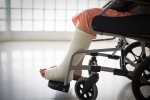
Walking after ankle replacement surgery takes time. You won’t be able to move much right after the surgery, but if you follow a proper recovery regimen, you will be back on your feet in a matter of weeks. If you’ve ever wondered how long after ankle replacement surgery you can walk, along with what affects the recovery process, Dr. Gary Driver is here to help.
Ankle Replacement Surgery: What You Need to Know
Ankle replacement is a surgical procedure that removes the damaged surfaces of the ankle joint and replaces them with artificial implants. The surgeons work on the shinbone and the top of the talus to remove damaged bone and cartilage and to fit the replacement parts into the bone. The implant restores the joint’s function, enabling smooth, painless movement.
If the cartilage or bone damage is too severe and the joint no longer functions without serious pain, ankle replacement surgery is the only option. Right after the surgery, the swelling and pain reduce, the tissues begin to heal, and the ankle gradually begins to regain strength. The need for this surgery often occurs due to osteoarthritis, rheumatoid arthritis, and posttraumatic arthritis.
Typical Walking Timeline After Surgery
This is what you can expect from your post-surgery ankle replacement recovery:
First Few Days
For 1–3 days after the surgery, patients typically stay in the hospital’s recovery room. During this time, you will be under close supervision by healthcare professionals. Pain management during these first days usually involves a combination of oral medications, like opioids and anti-inflammatory pills. Your leg will be in a cast to protect the surgical area and to maintain proper ankle position.
Weeks 0–4: Non-Weight-Bearing Phase
Once you are home, the surgical ankle remains completely non-weight-bearing for the first several weeks. You will likely need to rely on crutches, a walker, or a scooter to get around. This time also involves a few follow-ups, during which your healthcare provider will check the incision and give you recovery guidance.
Weeks 4–7: Gradual Weight Bearing
After roughly four weeks, you begin a gradual transition to the weight-bearing phase. The surgeon will evaluate implant-to-bone growth and overall healing at follow-up appointments and will eventually remove your cast, placing a removable walking boot instead. At week six or seven, you will start physical therapy focused on restoring mobility, rebuilding strength, and retraining your walking. During this time, many patients can progress from partial to full weight-bearing while continuing to wear the boot. They will also likely wean off the boot by alternating it with regular shoes, typically worn at home for short periods.
After 3 Months: Full Weight Bearing
By the three-month mark, most patients can bear full weight and walk comfortably in supportive shoes with an ankle brace. Physical therapy transitions to a home exercise program focused on strength, balance, and flexibility. You will be able to walk for longer and may notice a significant improvement in gait. However, the muscle and the tendon around the joint may still need more time to adjust to the new replacement.
6 Months and Beyond: Returning to Normal Activities
By six months, the movement is much more comfortable, and you likely won’t need specialized walking boots anymore. You may require annual follow-up appointments with your surgeon, as well as routine implant checkups with X-rays and clinical monitoring. In some cases, patients choose to continue with physical therapy to reduce any risk of complications down the line.
Factors That Affect Walking Recovery
These are some of the factors that may affect your walking recover post-surgery:
Age and Overall Health
Younger patients with generally good health tend to heal faster and progress through recovery stages without major complications. With age, the healing ability of the body gradually reduces, so recovery may take longer for most elderly patients. With that said, if someone is in their 60s or 70s and stays physically active, they likely won’t struggle much with recovery after ankle replacement surgery.
Pre-Surgery Mobility Level
Patients who were physically active and had good mobility before surgery are likely to restore their ankle function faster. Severe deformity or immobility before surgery can prolong the rehabilitation process. This is why some surgeons recommend a few weeks of prehabilitation exercises before the procedure to build strength in the ankle, calf, and core muscles to assist with post-surgical recovery.
Adherence to Rehab Protocols
It’s critical that you follow the weight-bearing restrictions and activity guidelines as suggested by your surgeon; it’s key to a smooth recovery. Skipping physical therapy sessions or avoiding your recommended home exercises can slow progress and lead to potential issues during the recovery phase. But at the same time, pushing too hard can also risk complications, so listen closely to the advice you’ve been provided.
Presence of Other Health Conditions
Diabetes can slow wound healing and increase the risk of infection in the surgical site. Osteoporosis can affect how the implant integrates with the bone, and a severe condition may require an extensive recovery period. Likewise, autoimmune conditions can affect healing speed and may require medication adjustments.
Quality of Implant and Surgical Technique
The implant design has been shown to have a tremendous influence on post-surgery outcomes, complications, and revision rates. Not just that, the precision with which implant components are aligned during the surgery also determines long-term success. This is why choosing a reliable, experienced surgeon who has performed numerous successful ankle replacement surgeries is so important.
Rehabilitation and Physical Therapy Tips
Here are some essential rehabilitation and physical therapy tips for your post-surgery healing.
- Continue with physiotherapy to regain mobility: Physiotherapy is the main fuel behind your recovery journey. A therapist will guide you through various restorative and strengthening exercises, with a focus on flexibility, gait retraining, and muscle strengthening exercises.
- Practice safe walking techniques post-surgery: This is critical to ensuring the surgical site is not affected. Your surgeon will suggest using crutches or a walker in the initial few weeks after the surgery. This will keep the load off your ankle and give it a good rest.
- Perform strengthening exercises for faster recovery: To increase ankle range of motion and joint strength, try exercises such as calf raises, toe curls, ankle pumps, and resistant band exercises. Focus on consistency, not intensity.
- Be proactive and avoid reinjury: Avoid uneven terrains when walking, keep intense physical activities to a minimum, and focus more on strengthening exercises as recommended by your surgeon or therapist. Supportive shoes can also help you keep your ankle stable.
If you experience any pain, swelling, or persistent discomfort, visit your surgeon or a healthcare professional immediately to prevent future problems.
Warning Signs to Watch For
After your surgery, listen closely to your body. Many signs indicate that something is wrong, and learning to recognize them can help prevent a problem from worsening.
- Persistent pain or swelling: Some pain and swelling are completely normal after the surgery, especially in the early weeks; they usually fade quickly. However, if your pain medications are no longer providing any relief, and the swelling persists long after the surgery, you need to visit your surgeon.
- Difficulty bearing weight beyond the expected timeline: After six weeks, your feet should be able to bear at least partial weight. If this is not happening, it indicates that healing is not progressing as it should. Delayed weight bearing is not always a serious warning sign, but it is worth a medical evaluation.
- Redness, warmth, or discharge: There is a risk of infection with any ankle surgery. Watch for spreading redness around the surgical site, warmth near the incision, or fluid coming from the wound. These are obvious signs of infection you should not ignore.
If you notice any pain, don’t wait until the problem gets worse. Any significant discomfort or delayed healing warrants a visit to a healthcare professional to better understand your recovery.
When to Expect Full Recovery
Most patients fully recover within 12 months after surgery. You will be able to do all your daily activities comfortably. Improvement in strength, endurance, and mobility continues beyond the one-year mark. However, full recovery does not mean the ankle will feel the same as a healthy, natural joint. The implant removes pain and movement restrictions, but you may still feel subtle differences even after the joint has healed completely after the surgery.
To protect the new joint over the long term, wear supportive footwear, maintain a healthy body weight, avoid high-impact activities for extended periods, and maintain a healthy diet that supports good joint health.
Create a Personalized Recovery Plan With Dr. Gary Driver
Every ankle surgery recovery timeline can be different, depending on the patient’s health and the specifics of their surgery. Although you have a general idea of how the recovery stages unfold, following your surgeon’s recovery plan is non-negotiable for better healing.
If you are considering ankle replacement or need medical assistance with your post-surgery recovery, book an appointment with Dr. Gary Driver, a board-certified, fellowship-trained foot and ankle specialist who has served patients in Fort Worth for several years. Connect with us today for an appointment.
Frequently Asked Questions (FAQs)
How soon after ankle replacement surgery can I walk without crutches?
Most patients are able to walk without crutches in 6–8 weeks after the surgery. The exact call on when to stop using crutches is usually made by the surgeon or another experienced healthcare professional.
Can I walk normally after ankle replacement surgery?
Yes. You will be able to walk normally after ankle replacement surgery, but the implant may feel slightly different than a natural joint.
How long do I have to stay in a cast or a boot?
You may have to stay in your cast or boot for around two months.
What can delay walking recovery after surgery?
Infection, existing health issues, slow bone healing, poor nutrition, and not following the doctor’s recovery plan may lead to delayed walking recovery after surgery.
Can I return to sports or running after an ankle replacement?
Low-impact activities like swimming and walking are highly encouraged after recovery. However, engaging in high-impact sports like running, basketball, and football can carry the risk of implant wearing even after full recovery. Consult with your surgeon before getting back to sports.
Will I need physical therapy to walk normally again?
Yes. Physical therapy helps with strength, balance, and range of motion, and supports smooth recovery.
Is walking painful after ankle replacement surgery?
Once your ankle fully heals, which usually takes a year, walking is no longer painful.
References
- Rhim, H.C. et al. “Prehabilitation for Patients Undergoing Elective Foot and Ankle Surgery: A Contemporary Review.” Foot & Ankle Orthopaedics, May 28, 2024. April 2, 2026. https://pmc.ncbi.nlm.nih.gov/articles/PMC11135079/.
- Gardini, G. “Influence of Implant Design on Clinical Outcomes, Complications, and Revisions Rate in Anterior Approach Total Ankle Arthroplasty: A Systematic Review and Meta-Analysis.” Foot & Ankle Specialist, February 10, 2026. April 2, 2026. https://pubmed.ncbi.nlm.nih.gov/41664974/.