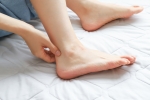
Your Achilles tendon handles a massive amount of force every time you walk, jump, or move. But that means that a partial tear can compromise its function and grind your daily routine to a halt through pain and restricted mobility. Fortunately, most partial tears respond well when they’re treated early. The best treatment for a partially torn Achilles tendon depends on your specific symptoms, risk factors, causes, and whether you work with an experienced foot and ankle specialist dedicated to your recovery.
What Is a Partially Torn Achilles Tendon?
The Achilles tendon is the thickest tendon in our body. It connects the calf muscles and the heel bone. A partial tear means some fibers have ruptured while others remain intact, so while the tendon still functions, you’ll be experiencing pain and discomfort. If not treated in its early stage, a partially torn Achilles tendon can gradually lead to a complete rupture.
Grades of Achilles Tendon Tears
The severity of a partially torn Achilles tendon can be classified across three main categories: mild, moderate, and severe.
Grade 1 (Mild): Micro-tears, Minimal Loss of Function
A Grade 1 tear involves minimal damage to a small number of tendon fibers. There is pain, but it’s often mild enough that you may mistake it for regular strain. You also may experience subtle swelling behind the ankle. Most people with a Grade 1 tear can still walk and perform daily activities without noticeable aching or loss of strength and mobility.
Grade 2 (Moderate): Partial Tear, Noticeable Pain, and Weakness
A Grade 2 tear means a larger percentage of tendon fibers have torn. The pain is more intense and harder to ignore. You’ll likely feel it more during physical activity, but it can also affect your comfort while resting, as the swelling is more pronounced. You may notice bruising at the back of your ankle, or the spot may feel tender to the touch. While you may be able to walk, it may be painful, and you may experience an unusual gait due to the damage.
Grade 3 (Severe Partial): Significant Tearing, High Risk of Becoming a Complete Rupture
A severe partial tear means more significant damage, but it also means you’re at risk of developing a full rupture if you don’t seek immediate treatment. In this stage, most of the tendon fibers are damaged, leaving only a small percentage of the tissue intact. This stage causes extreme pain; the foot won’t be able to bear weight, and you’ll likely notice severe swelling and bruising. This type of damage usually requires surgical intervention from an experienced foot and ankle specialist to restore your mobility without risking further damage.
What Does a Partial Achilles Tendon Tear Feel Like?
The symptoms of a partial Achilles tendon tear can vary. However, most patients experience:
- Pain and burning sensations: This appears as mild to severe pain, with a burning sensation behind the ankle near the heel. Some even describe this as a hard kick in the back of the lower calf. These sensations are often triggered by abrupt movements.
- Stiffness after rest: The tendon feels tight after a period of continuous rest, especially first thing in the morning. Walking or moving around can loosen it, but you may experience the pain returning with too much movement.
- Swelling and tenderness: This is more common in moderate or more severe tears. This is sometimes accompanied by bruising and tenderness along the back of the ankle.
- Weakness and instability: Walking on flat ground may feel manageable, but you may experience instability up stairs or on inclines. There may also be a persistent sense of weakness in the affected area.
It’s important to note that these symptoms vary depending on the person, the exact nature of the damage, their lifestyle, and many other factors.
Common Causes and Risk Factors
A partial Achilles tendon tear can develop due to many common causes and risk factors. From sudden damage to the area to your unique medical history and lifestyle, it’s worth assessing every factor you can to lower your risk of developing this injury.
Physical Causes
Most Achilles tendon tears result from movements that put the tendon under massive strain. Any high-intensity activity like running, jumping, or playing an intense sport like basketball can easily lead to tendon damage. These activities create a force greater than your Achilles tendon can usually handle, and that leads to a tear.
Medical and Lifestyle Risk Factors
People over the age of 40 are at higher risk of tearing their Achilles tendon because tendons naturally become less resilient with age. This is especially common in people who rarely exercise their legs, but tendon tears also develop if a person has received corticosteroid injections in the past. These are known to weaken the tendon’s structure and gradually cause degradation over time. Even something as simple as bone spurs can tear the tendon fibers and increase a person’s risk of experiencing a tear.
How Is a Partial Achilles Tear Diagnosed?
When diagnosing a tear in the Achilles tendon, a doctor will work through several physical examinations and imaging tests. These give them valuable information about the tear’s location and severity.
Physical Examination
Your surgeon will palpate your Achilles tendon to check for tenderness, thickening, or a gap in the tissue. They’ll also perform something called a “Thompson test,” which involves squeezing the calf muscle to see whether the tendon is still attached to the heel bone.
Imaging Tests
Ultrasounding and MRI machines allow for an accurate diagnosis of the affected Achilles tendon. These tests use high-intensity sound waves and magnetic resonance imaging to show the tendon’s actual condition. Your surgeon can evaluate which tendon fibers are torn and how severe the damage is in real time, which can help them create a targeted treatment plan.
How to Treat a Partially Torn Achilles Tendon
The treatment approach for a partially torn Achilles tendon varies based on the severity of the injury. While resting at home can sometimes help, there may be a point when you need medical intervention, physical therapy, or even surgical treatment.
Initial Care: the RICE method
When the injury is in an early stage, the RICE method is the standard treatment option. It means rest, ice, compression, and elevation. This involves getting sufficient rest, applying ice for 15 to 20 minutes throughout the day, using a compression bandage, and elevating the affected foot above heart level. This can help reduce inflammation, swelling, and pain.
Medical Intervention
For Grade 1 and Grade 2 tears, non-surgical treatment is a common approach. Your surgeon may place you in a walking boot or a brace to immobilize the injured foot for about four to six weeks. This gives your injured tendon enough time to heal. Your doctor will also likely prescribe anti-inflammatory drugs to relieve you from pain.
Physical Therapy
Physical therapy helps restore the tendon’s strength and range of motion. You will be guided through the practices, which generally start with gentle range-of-motion exercises and progress to stretching, strengthening, and full-range movements.
Surgical Treatment
Surgery is the only option when non-surgical approaches are no longer relevant. This is usually recommended for Grade 3 partial tears. The surgery involves repairing the torn tendons by stitching them together using techniques tailored to the specific condition and severity of the tear.
Best Treatment for a Partially Torn Achilles Tendon
The best treatment approach depends on what you really need. Nonoperative treatment is ideal for early stages, but it likely won’t suffice for severe conditions like a Grade 3 tear.
Surgical vs. Non-Surgical Treatment
For mild to moderate partial tears, non-surgical treatment is usually the first step. Securing the injured foot with a cast or brace, using the RICE method, and following a personalized rehabilitation program can help heal the tendon and restore its function. For a more severe tear, these options won’t help, and you may need surgery.
Adjunct Therapies
Surgeons may recommend adjunct therapies in addition to the standard treatment options. These therapies are designed to support healing and minimize complications during recovery. This approach may involve extracorporeal shockwave therapy, ultrasound electrotherapy, and platelet-enriched plasma injection therapy.
Preventing Reinjury
Even after successful treatment, there is still a risk of injury. The most common reason behind reinjury is not being careful during the recovery. When you rush back to high-impact activities before your tendon has healed fully, you’re likely to get injured again. During recovery, follow any and all instructions your surgeon has provided, as this is key to preventing reinjury.
Partially Torn Achilles Tendon Recovery Timeline
There are several stages involved in recovering from a partially torn Achilles tendon. At all times, stay careful and trust your surgeon’s recommendations. Their experience can be invaluable to your recovery.
Typical Recovery Duration
It takes roughly three to six months for a partial tear recovery, though milder tears may recover in roughly eight weeks with consistent care and physical therapy. However, more severe tears that require surgical interventions can take up to six months or longer to heal completely. The recovery depends on the degree of the tear and how your body responds to the recovery plan.
Immobilization Phase
The initial two to six weeks are the immobilization phase. During this time, you will wear a short-leg cast or removable CAM boots to protect the tendon and allow the initial healing process to take place. Weight-bearing is usually restricted in this stage. The main goal is to lower pain and swelling and protect the torn tissues from stretches or additional load.
Rehabilitation Phase
Rehabilitation usually begins at six weeks. During this phase, the main focus is on restoring the foot motion and gradually introducing weight-bearing exercises. Your surgeon and therapist will likely recommend strengthening exercises and gait training to help strengthen weak tendons and restore a normal walking pattern.
Return to Activity
Most patients can return to their regular activities within nine months. However, the tendon is still healing, so it’s best to stick to low-impact activities to avoid excessive strain. You may have to wait a few more weeks to safely participate in high-impact sports.
Partial Achilles Tendon Tear vs. Complete Tear
There are several differences between a partial Achilles tendon tear and a complete tear. In a partial tear, some fibers remain intact, but a complete tear means full separation of the fibers. People with a partial tear can still walk, even though it is painful, but when the tendon has torn completely, walking or any movement of the foot becomes almost impossible.
The healing period also changes significantly. While a mild partial tendon tear can heal with conservative care, a complete tear cannot heal without surgery. Partial tears are often managed conservatively first, but once the tendon tears completely, surgical repair is the appropriate approach. Partial tears also heal faster, as complete tear recovery can take a year or longer.
Preventing Future Achilles Tendon Injuries
To prevent future Achilles tendon injuries, you’ll want to be proactive. Even something as simple as regular stretching can make a significant difference in lowering your risk of reinjury.
Stretching and Strength Exercises
Performing regular calf stretches, wall stretches, and heel exercises can keep the Achilles tendon from tightening too much and strengthen the tissues. Doing these exercises for 15 to 20 reps every day can help protect the tendon from tears.
Proper Footwear
Wearing the right kind of footwear can help keep the Achilles tendons balanced and less stressed. Studies suggest that high-top shoes keep the tendon supported and lower tendon tension significantly.
Training Modifications
Training modification is all about protecting the tendon and gradually strengthening it. This involves cross-training with low-impact exercises like swimming or cycling, and maintaining fitness without excessively increasing the load on the tendon.
Schedule an Appointment with a Specialist Today
Whether the tendon tears partially or completely, a tear in the Achilles tendon can quickly affect your quality of life. However, with the right specialist dedicated to your recovery, your chances of a full recovery are much higher. You deserve the support of Dr. Gary Driver, a fellowship-trained foot and ankle specialist with extensive experience treating Achilles tendon damage. Make an appointment today, and take your first step towards recovery.
FAQs
How long does it take to recover from a partially torn Achilles tendon?
A complete recovery from a partially torn Achilles tendon can take around three to six months, depending on the grade of the tear. However, this depends heavily on your lifestyle, medical history, and dedication to physical therapy.
Can you walk with a partially torn Achilles tendon?
Most people can walk with a partial tear because some tissues are still intact. However, always listen to your surgeon’s advice and take all recommended precautions.
How do I know if I have a partial or complete Achilles tendon tear?
A partial tear allows some push-off strength, but a complete tear completely restricts your ability to move the injured foot. The accurate diagnosis comes from imaging tests.
Can a partial Achilles tendon tear heal without surgery?
Most mild tears, Grade 1 and Grade 2 tears, can heal without the need for any surgery. But severe conditions almost always require surgical interventions.
Can Achilles tendonitis turn into a tear?
Yes. Chronic Achilles tendonitis can lead to a tear due to persistent inflammation and tissue degeneration.
References
- “Achilles Tendon Rupture.” Cleveland Clinic, 2021. https://my.clevelandclinic.org/health/diseases/21703-achilles-tendon-rupture#symptoms-and-causes
- “Achilles Tendon Injuries.” Johns Hopkins Medicine. https://www.hopkinsmedicine.org/health/conditions-and-diseases/achilles-tendon-injuries
- “Achilles tendon – partial tear.” NHS. https://www.imperial.nhs.uk/-/media/website/patient-information-leaflets/orthopaedics/virtual-fracture-clinic/achilles-tendon--partial-tear.pdf?rev=ad40df832c2e4a32bbaf964d7ef96f93
- Grace K Kim. “The Risk of Fluoroquinolone-induced Tendinopathy and Tendon Rupture.” NIH, 2010. https://pmc.ncbi.nlm.nih.gov/articles/PMC2921747/
- Ganfranco Vallone. “Complete Achilles tendon rupture after local infiltration of corticosteroids in the treatment of deep retrocalcaneal bursitis.” NIH, 2014. https://pmc.ncbi.nlm.nih.gov/articles/PMC4033727/
- Micky Lal. “Achilles Tendon Stretches and Strength Exercises.” Healthline, 2025. https://www.healthline.com/health/achilles-tendon-stretch
- Steven Rowson. “Can footwear affect Achilles tendon loading?” NIH, 2010. https://pubmed.ncbi.nlm.nih.gov/20818191/