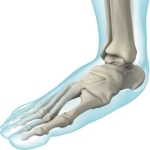
Flat feet can stem from both genetic and non-genetic factors. Understanding whether your flat feet are inherited or a result of external factors like injuries and aging can guide you to the right treatment options. This article explores the role of genetics in flat feet, outlines non-genetic causes of flat feet, and describes different ways to address the condition.
What Are Flat Feet?
Flat feet occur when the arches of the feet are completely or partially flattened. This condition usually affects both feet, but it is possible to have it in only one foot. When you have flat feet, the entire sole of each foot touches the ground when you are standing. Flat feet are usually painless; however, some people may find the condition causes discomfort or limits their mobility. This deformity does not require treatment unless it causes symptoms that affect your daily life.
Are Flat Feet Genetic?
Flat feet can occur due to genetic factors. If someone in your family has flat feet, you may inherit the condition. Children with inherited flat feet may begin to show signs of the condition as they develop. This condition is also more common in individuals with Down syndrome, a genetic condition. While genetics can cause flat feet, other factors, such as injury, aging, pregnancy, obesity, arthritis, and diabetes, can also lead to the development of this deformity later in life.
Can Flat Feet Be Corrected?
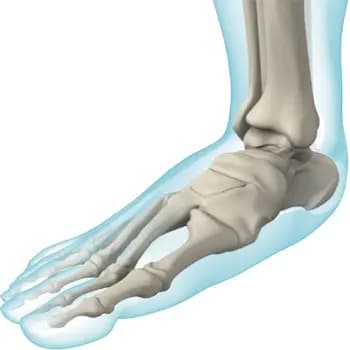
Flat feet can be managed with conservative treatment or surgery, depending on the severity of the condition. Mild cases can be addressed using non-invasive methods such as physical therapy and orthotics. Stretching, heel raises, arch massages, toe walking, and heel walking can effectively treat mild cases by strengthening and relaxing supportive muscles in the feet. However, severe deformities may require surgery.
Complications of Flat Feet
The effects of flat feet on health are specific to each individual's condition. Some may not experience any problems associated with flat feet, whereas others may experience severe pain and restricted mobility. Here are some of the effects flat feet can have on your health:
Foot and Ankle Pain
Flat feet can cause pain in the feet and ankles due to a lack of proper arch support. The uneven weight distribution can lead to complications like misalignment of foot bones and swelling around the ankles.
Posture and Joint Issues
Foot arches are designed to offer support and stability to the lower body by evenly distributing your weight. Since individuals with flat feet do not have fully developed arches, they usually experience a certain degree of instability during movement, which can strain muscles, tendons, and ligaments. This may eventually affect the hips and back, leading to poor posture and joint problems.
Restricted Physical Activity
Flat feet can affect your ability to engage in physical activities, like walking, running, jumping, and playing sports. The pain, fatigue, and reduced stability it causes can make certain physical activities difficult and uncomfortable.
Exercises for Flat Feet
Flat feet exercises help strengthen and stabilize your feet and ankles. Performing these exercises daily can offer relief from mild pain and prevent the condition from worsening. Here are some exercises that are effective at treating flat feet:
Arch Lifts
Arch lifts are designed to strengthen intrinsic foot muscles for improved stability. To perform this exercise, follow these steps:
- Sit or stand with your feet comfortably apart and flat on the floor
- Slowly lift your arches while keeping your toes and heels in contact with the floor
- Roll your body weight to the outer parts of your feet while lifting your arches
- Hold the position for a few seconds and then release it
- Perform 2 to 3 sets of 15 repetitions each
Toe Raises
Toe raises can be performed in different yoga poses, including Tree Pose, Standing Split, and Standing Forward Bend. This exercise involves the following steps:
- Stand with your feet flat on the ground
- Keep your big toes on the ground while lifting the rest of your toes
- Slowly bring all your toes down to the ground
- Repeat this 10 to 15 times for 2 to 3 sets
Heel Stretches
Heel stretches help increase flexibility and reduce tension in muscles and tendons that support the foot. To perform this exercise, follow these steps:
- Stand with your hands resting on a wall, chair, or your waist
- Bring one leg forward and keep the other leg extended behind you
- Press both feet firmly into the ground
- Push yourself forward while keeping your spine straight
- While you lean forward, bend your front leg and keep the other leg stretched behind you
- Hold this position for 30 seconds
- Repeat this exercise on each side at least 4 times
Towel Curls
Towel curls target intrinsic foot muscles to enhance overall foot function and reduce the discomfort caused by flat feet. To perform this exercise, follow these steps:
- Sit in a chair with a towel on the ground beneath your feet
- Keeping your heels on the ground, use your toes to scrunch the towel
- Press your toes inwards while scrunching the towel
- Hold this position for a few seconds and then release
- Repeat this exercise 15 times for 2 to 3 sets
Calf Raises
Calf raises can improve arch support by strengthening the calf muscles. To perform this exercise, follow these steps:
- Stand with your feet a few inches apart and lift your heels off the ground
- Hold onto a chair or wall for support while you lift your heels
- You should feel a contraction in the muscles at the back of your lower legs
- Hold the position for a few seconds and then slowly lower your heels
- Repeat the exercise at least 20 times for 2 to 3 sets
When to Seek Medical Attention for Flat Feet
Flat feet do not usually require medical attention unless they begin to impact your daily life. However, if you are experiencing disabling symptoms, early medical intervention can prevent the condition from worsening. You should seek medical attention if you are experiencing the following symptoms:
Persistent Pain
Flat feet can cause swelling and stiffness in the foot, ankle, and lower leg, contributing to pain and limited mobility. If you are experiencing chronic pain as a result of your condition, you should see a medical professional.
Difficulty Walking
Flat feet may make it difficult to perform physical activities like walking. If this is the case for you, seeing a medical professional for proper treatment is advisable. Getting timely treatment can help prevent long-term complications and restore foot function.
Visible Changes in Foot Structure
Pay attention to any changes in the appearance of your feet. If you notice visible changes in foot structure, you will need to see a medical professional.
Get Treatment for Flat Feet With Dr. Gary Driver
Flat feet can develop for various reasons, including genetics. Recognizing the cause of your flat feet can help you implement the right treatment approach. Mild cases can be addressed with conservative treatment methods, while severe cases require surgical intervention. If your flat feet are causing you severe pain or limiting your mobility, consider scheduling an appointment with Dr. Gary Driver. He is a double board-certified foot and ankle surgeon with experience treating numerous foot and ankle conditions, including flat feet. His tailored treatment approach is designed to help eliminate pain and get you back to leading an active life. Make an appointment today!
Frequently Asked Questions
Are flat feet more common in certain populations?
Yes, flat feet are more common among African Americans. Various factors like genetics, weight, age, hypermobility, and injuries influence the development of this condition.
How should I choose shoes for flat feet?
When selecting the right shoes for flat feet, you should consider factors such as arch support, cushioning, toe box shape, and heel support. A good shoe will help distribute your weight more evenly to take the pressure off of the middle of your foot.
How long does it take for flat feet exercises to work?
You may notice improvements after a few weeks or months of performing the exercises consistently. However, individual responses can vary depending on the severity of the condition and a number of other factors.