Pain or discomfort in the feet can sometimes be linked to the structure of the arches. While some people naturally have high or low arches, others develop issues over time that affect balance, posture, and overall comfort. In this blog, we will explain what foot arches are, how flat feet differ from normal feet, and what you can do to manage symptoms and to prevent complications.

What Is a Foot Arch?
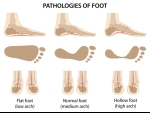
The foot arch is the curved structure along the bottom of your foot made of bones, ligaments, and tendons that supports your body weight when you stand, walk, or run. It helps distribute pressure evenly across your feet and acts as a natural shock absorber. The arch’s shape and height play a significant role in balance, movement, and posture. There are generally three types of foot arches: flat, normal, and high, each with its own characteristics and effects on how your feet function.
Flat
When you have a flat arch, the bottom of your foot almost entirely touches the ground while you stand. This usually means the arch is very low or missing altogether. As a result, your feet may roll inward too much when you walk, a condition called overpronation. Over time, this can put extra stress on your ankles, knees, or lower back since your feet aren’t offering the support they should.
Normal
A normal arch maintains a balanced curve between the heel and the ball of the foot. This type of arch provides the ideal structure for even weight distribution and optimal alignment. When you have a normal arch, your feet absorb impact efficiently and help maintain proper posture while walking or running. Individuals with normal arches usually have fewer issues with pain and fatigue in their feet.
High
In a high arch, the curve of the foot is elevated more than usual, causing extra pressure on the heel and the ball of the foot. This type of arch does not absorb shock as effectively, which can lead to discomfort and instability. High arches are often associated with stiffness and can increase the risk of ankle sprains and stress-related injuries due to uneven weight distribution.
What Are Flat Feet?
Flat feet, or fallen arches, are a condition in which a person’s arches collapse. As a result, the sole of the foot is entirely in contact with the ground when standing. It is possible to be born with this condition, but some individuals acquire it due to injuries, age, or other medical issues. You may notice that your feet look flatter when you stand or that your shoes wear out unevenly. Flat feet can affect one or both feet and may cause pain in the arches, the heels, or the ankles, especially after extended periods of standing or walking.
Causes of flat feet
- Genetics or family history of flat feet
- Weak or stretched tendons, especially the posterior tibial tendon
- Foot or ankle injuries
- Arthritis or joint diseases
- Obesity
- Pregnancy
- Conditions affecting the muscles or the nerves, such as cerebral palsy
Symptoms of flat feet
- Pain or discomfort in the arch, the heel, or the ankle
- Swelling along the inside of the ankle
- Tired or aching feet after standing or walking
- Difficulty standing on tiptoes
- Uneven shoe wear or foot fatigue during physical activities
Flat Feet vs. Normal Feet: Key Differences
- Flat feet have little to no visible arch, while normal feet have a defined curve between the heel and the ball.
- Flat feet often cause overpronation, whereas normal feet maintain a neutral alignment.
- People with flat feet are more likely to experience foot and ankle pain due to a lack of support.
- Normal feet distribute body weight evenly across the foot, helping prevent strain.
- Flat feet can affect your posture and lead to discomfort in your knees, hips, and lower back.
- Normal arches provide natural shock absorption and stability during movement.
Complications Associated With Flat Feet
If flat feet are not properly managed, they can cause ongoing problems that affect your ability to move comfortably. You might notice persistent pain in your heels or arches, especially after physical activity. As your body adjusts to the lack of support, extra pressure can build up in your ankles, knees, or lower back. In some cases, the added strain can lead to tendon irritation or joint pain, making it harder to walk or stand for long periods without feeling sore or tired.
How to Manage Flat Feet
Managing flat feet usually starts with simple adjustments to your daily routine. Using orthotic inserts or custom-made insoles can help support your arches and ease pressure on your feet. Choosing shoes that fit well and offer good arch support can also go a long way in controlling pain.
Regular stretching and strengthening exercises can make your feet and ankles more flexible and stable. Keeping your weight in a healthy range helps reduce extra stress on your arches, too. If the pain continues, a physical therapist can guide you through exercises and movements that help improve balance and lessen discomfort.
When to See a Doctor for Flat Feet
If you are experiencing ongoing foot pain, swelling, or difficulty walking, it’s time to consult a doctor. Persistent discomfort is not something to ignore, especially if it interferes with daily life or exercise. Dr. Gary Driver is an award-winning, fellowship-trained foot and ankle specialist who takes the time to thoroughly examine your feet, understand your symptoms, and determine the root cause of your pain. He uses the latest diagnostic tools and personalized treatment plans to help you find relief, whether through orthotics, therapy, surgery, or other medical interventions. If flat feet are limiting your comfort or mobility, reach out to schedule an evaluation.
FAQs
Can flat feet be corrected naturally?
In some cases, yes. Flat feet caused by weak muscles or poor posture can improve with regular stretching and strengthening exercises. However, if your arches are structurally flat due to genetics or injury, natural correction may not be possible.
Can flat feet cause back pain or knee pain?
Yes, flat feet can contribute to back and knee pain because they affect the alignment of your entire feet. When your arches collapse, your feet roll inward, which alters your posture and the way you move. Over time, this misalignment places extra stress on your knees and lower back, leading to more pain and fatigue.
Is surgery ever necessary for flat feet?
Surgery is rarely the first option and is only considered when conservative treatments don’t work. If flat feet cause severe pain, tendon damage, or deformity, your doctor may recommend a surgical procedure to restore proper alignment.
Can exercises help strengthen flat feet?
Yes, specific exercises can help strengthen the muscles that support your arches. Toe curls, heel raises, and calf stretches are excellent for improving flexibility and stability. Consistent exercise helps you build strength, reduce discomfort, and improve balance.
Citations
American Academy of Orthopaedic Surgeons. “Progressive Collapsing Foot Deformity (Flatfoot).” OrthoInfo – AAOS, 2023. https://orthoinfo.aaos.org/en/diseases--conditions/posterior-tibial-tendon-dysfunction/.