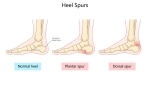
Heel spurs are a pretty common issue that can cause some serious heel pain, making it tough to move around comfortably. They usually develop over time because of repeated pressure on the heel bone and the tissues around it. This guide will walk you through what heel spurs are all about, their symptoms and causes, how doctors figure them out, treatment options, and tips on how to prevent them. Knowing the basics can help you deal with the pain early on and decide when it’s time to see a doctor.
What Are Heel Spurs?
Heel spurs are tiny bony growths that can develop on the underside or back of your heel bone. They often form where the plantar fascia or Achilles tendon attaches, and they usually build up over time due to repeated strain on the muscles and ligaments in your foot. Heel spurs don’t always cause pain, and many people have them without realizing it. However, if the surrounding soft tissues get irritated or inflamed, you might start to feel some discomfort.
Symptoms of Heel Spurs
Heel spurs can cause a range of symptoms that affect comfort, mobility, and daily activities, especially when the heel is under repeated stress. Here are the most common signs to watch for.
Sharp heel pain
Sharp pain in the heel is a common sign of heel spurs, especially with the first steps in the morning or after resting. The pain may feel like a stabbing sensation and can ease with movement, but often returns after standing or walking for a long time.
Tenderness and swelling in the heel area
The heel may feel sore or tender, with mild swelling around the area. Tight shoes or pressure on the heel can make the discomfort worse. In some cases, the skin may look red or feel warm.
Difficulty walking or standing for long periods
Heel pain can make it hard to walk or stand comfortably, especially on hard surfaces. To avoid pain, some people change the way they walk, which can lead to other body aches over time.
Radiating pain towards the arch of the foot
Pain from heel spurs can spread from the heel toward the arch of the foot. This discomfort is often linked to irritation of the plantar fascia and may feel dull or aching. It tends to worsen with activity and improve with rest.
Causes of Heel Spurs
Heel spurs develop over time due to repeated stress and pressure on the heel. Several factors can increase your risk, mainly when the feet are overworked or lack proper support. Here are the most common causes.
Excessive foot stress and pressure
Walking, standing, or running a lot can put constant pressure on your heel. Over time, this pressure can cause small injuries to the tissues. As a result, your body may build up calcium in that area, which can eventually lead to a heel spur.
Poor footwear choices
Wearing shoes that lack support or cushioning can put extra pressure on your heel. Flat shoes, worn-out soles without arch support, make it harder for your feet to absorb shock. If you use unsupportive footwear for a long time, it can increase strain and raise the risk of heel spurs.
Obesity and excess weight
Carrying extra body weight adds more pressure to the heels with every step. This added strain can speed up wear on the heel bone and surrounding tissues. Over time, the heel may respond by forming a spur.
High-impact activities
Running, jumping, and high-impact sports place repeated force on the heels, generally on hard surfaces. Athletes and active individuals are more likely to develop heel spurs if their feet don’t get enough rest or support.
Underlying foot conditions
Foot problems like flat feet, high arches, or bad walking habits can change how weight is spread on your feet. When pressure is uneven, it can strain the heel, leading to inflammation and the development of spurs.
Aging and natural wear and tear
As we get older, the cushioning in our heels gets thinner, and our muscles and ligaments become less flexible. These changes put more stress on the heel bone, making heel spurs more likely over time.
Diagnosis of Heel Spurs
Figuring out if you have heel spurs involves a combination of imaging tests and physical examination. Here are the key steps doctors use to make an accurate diagnosis.
Physical examination
To diagnose a heel spur, a doctor will examine your foot and heel. They will look for tenderness, swelling, and pain, and may watch how you walk. This helps them determine if a heel spur is causing your symptoms.
Imaging tests
X-rays are often used to check for a heel spur by showing small bony growths on the heel bone. They also help to rule out fractures or other foot problems. It’s important to know that not every heel spur seen on X-rays causes pain.
Differentiating heel spurs from other foot conditions
Heel pain can happen for a few reasons, such as plantar fasciitis, tendon problems, or a stress fracture. To find out what’s causing the pain, doctors look at your symptoms, perform an exam, and may use imaging tests. It’s important to check if a heel spur is the real cause of the pain.
Treatment for Heel Spurs
Heel spur treatment can include non-surgical methods for most patients, while surgery is usually reserved for severe cases that don’t improve with conservative care. Here are the common treatment options.
Non-surgical treatment
- Stretching the foot and calf muscles improves flexibility and eases strain.
- Applying ice and taking over-the-counter medications helps manage pain and inflammation.
- Builds strong muscles and helps improve walking patterns for long-term relief.
- To reduce irritation, limit activities that put stress on the heel.
- Shoes that have cushioning and custom inserts help spread the pressure on the heel.
Surgical treatment
- Surgery may remove the spur or release tight tissues around the heel.
- The goal is to restore normal foot function and relieve chronic pain.
- Healing typically takes several weeks, during which activity may be limited.
- Helps regain strength, flexibility, and proper walking mechanics.
- Most patients experience significant and lasting pain relief once fully healed.
How to Prevent Heel Spurs
Taking care of your feet and reducing stress on your heels can help prevent heel spurs. Simple lifestyle changes and proper footwear make a big difference. Here are key prevention tips.
- Pick shoes that have good cushioning and provide proper arch support. This helps reduce strain on your heels.
- Stretch your feet and calf muscles to maintain flexibility and prevent injury.
- Maintaining a healthy weight lessens the pressure on your heels.
- Limit standing or walking for long periods on hard floors and avoid walking barefoot on hard surfaces.
- Worn shoes lose support and can increase stress on your feet.
- Avoid overuse by gradually increasing exercise intensity or duration.
When to See a Doctor for Heel Spurs
See a doctor if heel pain doesn’t improve with rest or home care. Pain that makes walking, standing, or performing daily activities hard should not be ignored. Other signs to watch for include swelling, redness, or increasing discomfort. A podiatrist can diagnose the problem and create a treatment plan just for you. Dr. Gray Driver provides expert foot and ankle care, offering both non-surgical and surgical treatments to relieve pain, improve movement, and help you get back to your normal activities.
FAQs
Can heel spurs go away on their own?
Heel spurs usually don’t go away, but the pain can get better with rest and proper care. Many people manage symptoms without surgery.
Are heel spurs more common in athletes?
Yes, athletes are more likely to get heel spurs because running, jumping, and high-impact activities put extra stress on the heel. Good shoes and proper rest can help prevent them.
Can wearing high heels cause heel spurs?
Wearing high heels often can increase heel pressure and raise the risk of spurs. Supportive shoes and limiting heel use can help protect your feet.
How long does it take to recover from heel spur surgery?
Recovery usually takes a few weeks to a few months. Rest, gentle activity, and physical therapy help most people return to normal activities gradually.
Do heel spurs always require surgery?
No, most heel spurs get better with non-surgical treatments like rest, stretching, and proper footwear. Surgery is only needed if pain doesn’t improve.
Are there specific exercises to help reduce heel spur pain?
Yes, stretching the calf muscles and plantar fascia can ease pain and improve flexibility. A doctor or physical therapist can show the best exercises.