Do you have pain near your big toe and wonder about bunions vs. gout? They may look similar, but they have very different causes, symptoms, and treatments. Understanding the difference between gout and a bunion is key to getting the proper care and preventing long-term complications. In this article, we’ll break down both conditions, highlight their differences, and share practical tips for prevention and treatment.
What Is a Bunion?
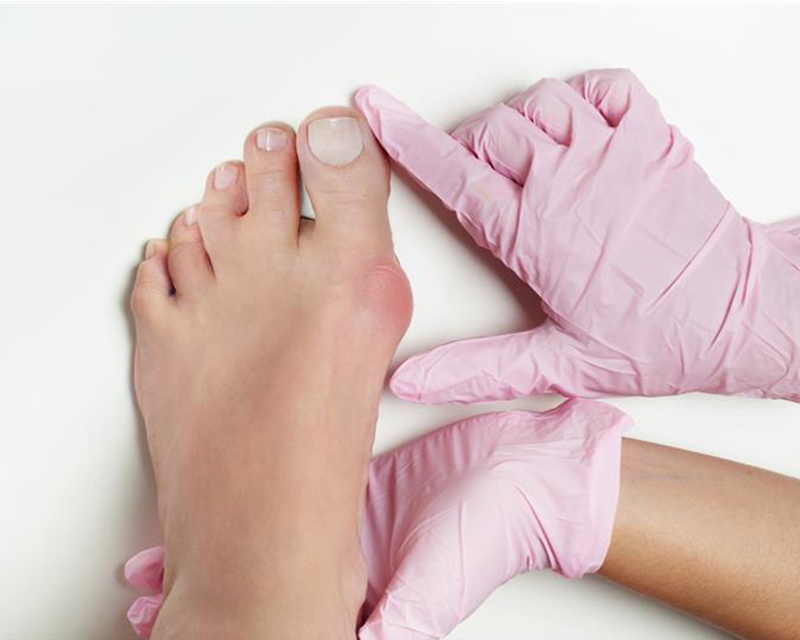
A bunion is a bony bump that grows at the base of the big toe, often making the toe lean toward the other toes. This shift can cause pain, swelling, and redness, making walking or wearing shoes uncomfortable. Bunions usually develop slowly and can be caused by genetic factors, the way the foot is shaped, or continually wearing narrow or tight shoes. While they may seem like a cosmetic issue, untreated bunions can significantly impact daily activities and reduce quality of life.
What Is Gout?
Gout is a type of arthritis that occurs when uric acid collects in the blood, forming tiny, sharp crystals in the joints. It usually affects the big toe but can also show up in the ankles, the knees, or the fingers. Gout attacks start suddenly and can cause redness, swelling, severe pain, and warmth in the joint. Unlike bunions, gout is an inflammatory condition related to metabolism and diet, not the structure of the foot.
Key Differences Between Bunions and Gout
Although both bunions and gout can cause pain near the big toe, they are distinct and unrelated conditions. Understanding these differences is crucial for accurate diagnosis and treatment. Below is an overview of bunions and gout.
Causes
Bunions form mainly due to pressure and stress on the foot. They can occur due to wearing tight or narrow shoes, high heels, foot structure issues, or a family history of bunions.
Gout happens when uric acid builds up in the blood, forming urate crystals in the joints. Contributing factors include eating a high-purine diet, being overweight, taking certain medications, having kidney or metabolic problems, and genetics.
Symptoms
Bunions usually form slowly, creating a visible bump at the base of the big toe. You might feel soreness or tenderness around the joint, along with swelling, redness, calluses or corns between the toes, and trouble wearing shoes comfortably. The pain is often ongoing but moderate.
Gout comes on suddenly, often at night, causing very sharp pain in the joint. Other signs include swelling, redness, and warmth. Flare-ups can be extremely painful but usually last only a few days.
Location
Bunions always develop at the base of the big toe joint, often making the toe lean inward and forming a noticeable bump.
Gout also usually affects the big toe joint, but it can show up in other joints such as the ankles, the knees, the elbows, or the fingers.
Treatment
Bunions can usually be managed without surgery by wearing wider shoes, using padding or orthotics, and taking anti-inflammatory medications. If pain or toe deformity becomes worse, surgery may be needed to realign the joint.
Treatment for gout, on the other hand, focuses on lowering uric acid levels and controlling pain with medications such as NSAIDs or colchicine. Making lifestyle changes, such as modifying your diet and maintaining a healthy weight, is also important in preventing future flare-ups.
Diagnosis
Bunions are usually diagnosed with a physical exam and imaging, such as X-rays, to look at the alignment of the toe joint and the severity of the bump.
Gout is diagnosed by checking blood for uric acid levels, testing joint fluid for crystals, and sometimes using imaging to find crystal deposits in the affected joint.
Preventing Bunions and Gout
Even though bunions and gout both cause joint pain, preventing them requires different approaches because their causes are not the same. Knowing what triggers each condition is essential for keeping your joints healthy and avoiding future pain.
Bunion Prevention
The best way to prevent bunions is to keep pressure off your toes and to ensure your foot remains properly aligned. Wear shoes that fit well with a wide toe box, avoid high heels, and use supportive insoles or orthotics if needed. Strengthening your foot muscles and keeping them flexible with exercises can also help. Recognizing early signs of toe misalignment or discomfort can help prevent bunions from worsening.
Gout prevention
Preventing gout focuses on keeping uric acid levels within a healthy range. You can do this by limiting high-purine foods like shellfish, red meat, sugary drinks, and alcohol, and by staying hydrated and keeping a healthy weight. Taking any prescribed medications and checking uric acid levels diligently with your doctor are also important.
FAQs
Can bunions turn into gout?
No, bunions cannot turn into gout. They are two distinct conditions with different causes. However, a person can have both at the same time or at different times in their life.
Can both bunions and gout exist at the same time?
Yes, you can have bunions and gout at the same time, especially if you have risk factors for both. Because they are unrelated conditions, each of them will need its own treatment plan to manage pain and to prevent problems.
What foods trigger gout flare-ups?
Gout flare-ups are often caused by foods high in purines, which raise uric acid levels in the body. Triggers include red meat, organ meats, shellfish, and some types of seafood. Sugary drinks and alcohol, especially beer, can also raise the risk of painful gout attacks.
Do bunions always require surgery?
No, most bunions don’t need surgery. They can often be managed with better shoes, padding, orthotics, or painkillers. Surgery is usually only needed if these options stop working or if the bunion causes severe pain and changes the shape of your foot.
Is gout hereditary?
Yes, gout can run in families because genes affect how the body handles uric acid, but lifestyle and diet also play a big role. Both genetics and daily habits contribute to determining whether someone develops gout.
How long does a gout flare-up last?
Gout flare-ups start suddenly and can last from a few days to a couple of weeks, depending on severity. Early treatment can help reduce the pain and make the attack shorter.