Key Takeaways
-
Bunions are a structural bone deformity, not a cosmetic issue. They can worsen over time and affect how you walk, what you wear, and your overall quality of life.
-
Conservative treatments such as wider shoes, orthotics, and anti-inflammatory medications can manage symptoms but cannot realign the bones or stop progression.
-
Surgery becomes appropriate when pain persists despite non-surgical care, when the deformity advances, or when daily function and quality of life are significantly affected.
-
Several surgical options exist, from minimally invasive osteotomies to joint fusion, and the right choice depends on deformity severity, joint health, and individual goals.
-
Recovery is staged over weeks to months, and most patients see steady improvement. Following post-operative guidance reduces the risk of recurrence.
-
Dr. Gary Driver, a triple board-certified, fellowship-trained foot and ankle surgeon and Fort Worth Top Doctor since 2021, provides personalized bunion care in Fort Worth and Weatherford.
A bunion isn’t just a bump on the side of your foot. It’s a structural change in the big toe joint that can alter your gait, shrink your footwear options, and chip away at everyday comfort. Pads, wider shoes, and other conservative steps can settle irritation for a while, but they do not correct the underlying bone alignment. For many people, symptoms and deformity progress over time. In selected cases, surgery becomes the most dependable way to realign the joint and relieve persistent pain. As a triple board-certified, fellowship-trained foot and ankle surgeon, Dr. Gary Driver provides clear, personalized guidance so you can decide if and when surgical correction may make sense for you.
What Is a Bunion?
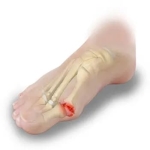
A bunion, or hallux valgus, forms at the base of the big toe where it meets the foot, the metatarsophalangeal (MTP) joint. With time, the first metatarsal drifts toward the body’s midline while the big toe angles toward the lesser toes, creating a visible bump and an angular deformity. This pattern stems from soft tissue and ligament imbalances around the joint, and it won’t self-correct. Because the MTP joint bears significant load with each step, malalignment can irritate the joint, accelerate cartilage wear, and lead to pain. Without the right management, the deformity may advance, shoes can become harder to tolerate, and routine activities may feel more difficult. Many patients also notice that prolonged standing, tight footwear, or higher-impact activity makes symptoms worse.
Common Symptoms of Bunions
Early bunions may cause little to no discomfort, so they often fly under the radar. As the deformity advances, soreness and functional limits frequently appear. If you recognize any of the signs below, consider an evaluation.
-
A visible bump at the base of the big toe
-
Pain or tenderness at the big toe joint (MTP joint)
-
Swelling, redness, or irritation over the bump
-
Stiffness or reduced motion of the big toe
-
Difficulty finding comfortable footwear or tolerating certain shoes
Are Bunions Just a Cosmetic Problem?
No. Clinicians consider bunions a mechanical, structural deformity rather than a cosmetic issue. Groups such as the American Academy of Orthopaedic Surgeons (AAOS) and Johns Hopkins Medicine note that surgery is not performed for appearance; the goal is to relieve pain and correct misalignment that limits function. While the foot’s look may improve, that change is a byproduct of restoring alignment and joint mechanics. When left unaddressed, bunions can contribute to chronic inflammation, arthritis, and deformities in neighboring toes. Understanding how bunions behave helps you manage symptoms earlier and may slow progression.
Why Bunions Are Often Overlooked
Because bunions often start quietly, many people delay care until the deformity becomes harder to ignore.
-
Slow, gradual changes that are easy to dismiss during daily routines
-
Early stages that may be painless or cause only intermittent soreness
-
Foot pain and tight shoes that feel “normal,” especially with fashion footwear
Functional Problems Caused by Bunions
The bump tells only part of the story. A bunion can change how your foot loads with every step, setting off other problems that affect balance and comfort.
-
Altered gait that shifts pressure to other areas of the foot
-
Excess pressure on adjacent toes, leading to corns, calluses, or hammertoes
-
Balance difficulties, especially on uneven ground
-
Higher fall risk in older adults due to pain and instability
What Causes Bunions?
Bunions typically arise from a mix of inherited foot structure, biomechanics, and outside pressures such as footwear. A family history is common, so some people are more susceptible even with sensible shoes. Flat feet or joint hypermobility can further accelerate the drift of the first metatarsal and big toe. Tight or narrow shoes may speed up irritation and symptoms by crowding the toes. Certain medical conditions can also raise risk by weakening connective tissues or inflaming joints. Taken together, these factors can gradually tip the balance of forces across the MTP joint.
Genetic and Structural Factors
Genetics often set the stage for bunion formation, which is why many patients recall a parent or grandparent with the same problem. Structural traits can leave the joint more likely to drift and angulate over time.
-
Inherited foot shape that predisposes the first metatarsal to drift
-
Flat feet or hypermobility that increase strain across the MTP joint
Footwear Choice
Shoes rarely cause bunions alone, but some styles can aggravate symptoms and speed progression in at-risk feet. Over years, toe crowding and elevated heels can strain the MTP joint and surrounding tissues.
-
Narrow or pointed-toe designs that compress the forefoot
-
High heels that shift body weight forward onto the ball of the foot
-
Long periods of toe compression that irritate the joint and soft tissue
Medical Conditions That Increase Risk
Disorders that inflame joints or affect connective tissue quality can hasten bunion development. Treating the underlying condition may reduce symptoms and slow change, but it will not reverse an existing deformity.
-
Arthritis, including rheumatoid arthritis, that damages joint cartilage
-
Connective tissue disorders that weaken ligament support
-
Neuromuscular conditions that alter foot mechanics and muscle balance
How Bunions Progress Over Time
Bunions tend to be progressive. In the beginning, you might notice a subtle bump and irritation only in tighter shoes. With time, the big toe can lean toward or even overlap the second toe, increasing friction and pain. Advanced deformities may lead to chronic swelling, calluses, and difficulty walking even in supportive footwear. The pace differs from person to person, but understanding the typical pattern helps you seek care at the right moment and avoid preventable problems.
Stages of Bunion Development
Mild stage: a small bump appears at the base of the big toe with occasional irritation in tight shoes or during higher activity. Moderate stage: the bump becomes more obvious, the big toe tilts toward the second toe, and friction, redness, or corns develop. Pain starts to occur more often with walking, standing, or exercise. Severe stage: the deformity grows larger and stiffer, the big toe can overlap the second toe, and shoes are difficult to fit. Pain may persist through daily activities, and swelling or bursitis can develop around the joint.
What Happens If Bunions Are Left Untreated
Without the right care, bunions can lead to joint damage and deformities in other toes.
-
Ongoing inflammation and recurrent irritation at the joint
-
Arthritis in the big toe (MTP) joint
-
Overlapping or crossing toes
-
Hammertoes due to tendon imbalance
-
Reduced mobility and lower activity tolerance
Non-Surgical Treatments for Bunions
Conservative care aims to reduce pain, relieve pressure, and improve foot function. For many people with mild to moderate symptoms, these steps can make day-to-day activities more comfortable. That said, non-surgical options do not realign bones or make a bunion smaller. If pain continues despite appropriate measures, or the deformity keeps advancing, surgery may be worth discussing. Dr. Driver follows a stepwise approach, prioritizing non-surgical options before reviewing procedures, so your plan aligns with your goals and daily life.
When Conservative Treatment Is Enough
Many patients manage mild bunion symptoms without surgery, especially when the joint remains flexible and pain is intermittent. The emphasis is on comfort, footwear, and function in daily life.
-
Early or mild bunions that are not limiting activity
-
Minimal or manageable pain that improves with shoe changes and pads
-
Stable alignment without rapid progression
Common Non-Surgical Options
Combining footwear changes with supportive devices can reduce pressure on the bunion and improve comfort. Anti-inflammatory strategies and targeted exercises may also help ease pain and maintain motion.
-
Wider, supportive footwear with a roomy toe box and low heel
-
Bunion pads, toe spacers, and protective sleeves to limit friction
-
Custom or over-the-counter orthotics to improve mechanics
-
Anti-inflammatory medications (oral or topical) when appropriate
-
Physical therapy focused on foot and calf flexibility and strength
Limitations of Non-Surgical Care
Understanding the role of conservative care helps set realistic expectations. These tools are designed to manage symptoms and slow change, not reverse the deformity.
-
Symptom control only and no true bone realignment
-
Does not correct the deformity or fully stop progression
-
Benefits may diminish as the deformity advances
When Does Bunion Surgery Become Necessary?
Surgery may be appropriate when bunion pain interferes with everyday life despite appropriate conservative care. Red flags include trouble walking even in supportive shoes, chronic swelling, progressive deformity, and joint stiffness or arthritis. Guidance from organizations such as AAOS and Harvard notes that surgery can be considered when pain becomes disabling, if skin breakdown occurs, or to prevent complications like second-toe dislocation. The decision is individualized; age, activity level, health status, goals, and X-ray findings all matter. Dr. Driver will review your options candidly so you can choose a plan that fits your lifestyle and priorities.
Clear Medical Indicators
Some patterns point to a deformity that is unlikely to respond to non-surgical care alone. In these settings, surgical correction may be the most dependable way to relieve pain and restore function.
-
Persistent pain despite shoe changes, pads, orthotics, and medications
-
Difficulty walking or standing for work and daily tasks
-
Inability to tolerate normal, flat, comfortable shoes
-
Progressive drift with the big toe pushing toward or over the second toe
-
Joint stiffness, arthritis, or chronic swelling that does not settle
Quality of Life Considerations
A painful bunion can limit more than workouts. Work demands, sleep, and overall well-being may suffer. If the deformity is holding you back, it may be time to consider a definitive correction.
-
Work limitations (standing, walking, safety footwear requirements)
-
Reduced activity or inability to maintain fitness routines
-
Nighttime throbbing or sleep disruption
-
Frustration or self-consciousness about appearance and limits
Types of Bunion Surgery
The best procedure depends on deformity severity, joint flexibility, the presence of arthritis, and overall biomechanics. Options range from bone realignment (osteotomy) to joint fusion for severe or arthritic cases. Surgeons often pair soft tissue balancing with bone procedures to address the forces that push the big toe out of position. Minimally invasive methods may allow smaller incisions and a quicker return to regular shoes for the right candidates. As a triple board-certified, fellowship-trained foot and ankle surgeon and a Fort Worth Top Doctor since 2021, Dr. Driver offers both traditional and minimally invasive techniques tailored to your needs.
Osteotomy Procedures
Osteotomies are among the most common bunion surgeries. The surgeon makes precise bone cuts and shifts alignment, then uses screws or plates to hold the correction while it heals. Depending on the case, this can be done through traditional open techniques or minimally invasive approaches.
-
Bone realignment to correct the angle between the first metatarsal and big toe
-
A frequent choice for mild to moderate deformities
Soft Tissue Procedures
Tendons and ligaments around the big toe often become imbalanced and contribute to the deformity. Surgeons typically combine soft tissue balancing with an osteotomy to fine-tune alignment and improve joint mechanics.
-
Ligament and tendon adjustments to restore balanced forces around the MTP joint
Joint Fusion (severe cases)
For advanced deformities, significant arthritis, or marked hypermobility, fusion procedures can provide durable pain relief. By eliminating painful motion at a damaged joint, fusion restores stability and supports a return to activity.
-
Suited for advanced arthritis or severe deformity not well served by osteotomy
-
Prioritizes pain relief and stability rather than preserving joint motion
Minimally Invasive Bunion Surgery
Minimally invasive bunion surgery uses tiny incisions and specialized burrs to perform bone cuts with less soft tissue disruption. Many patients experience less swelling and scarring and may return to regular shoes sooner than with open surgery, depending on the procedure and healing. While early results are encouraging and patient satisfaction can be high, not everyone is a candidate, and long-term data continue to evolve.
-
Smaller incisions with less soft tissue disruption
-
Potential for faster recovery and earlier return to sneakers, case by case
What to Expect Before and After Bunion Surgery
Care is tailored from the first visit through recovery. Before surgery, Dr. Driver will review your goals, examine your foot, and design a plan that fits your life. After surgery, you will receive detailed guidance on wound care, weight-bearing, activity progression, and physical therapy. Timelines vary by procedure and your body’s healing response, but most patients notice steady gains over several months. Throughout recovery, our team stays in close communication and offers practical support so you know what to do and when to advance.
Pre-Surgical Evaluation
Thoughtful planning sets expectations and reduces surprises. You’ll review what surgery can and cannot achieve, along with recovery steps and milestones.
-
Imaging studies (standing X-rays) to measure angles and assess joint health
-
Gait and biomechanical assessment to identify contributing factors
-
A thorough discussion of your goals, activity level, health conditions, and expectations
Recovery Timeline
Healing occurs in stages and differs by procedure and individual response. The outline below is typical; your plan will be personalized.
-
First 2 weeks: Elevation, rest, wound care, and suture removal around two weeks
-
6–8 weeks: Bones stabilizing; protective shoe or boot; start targeted physical therapy
-
3–6 months: Gradual return to normal activities; full recovery may take 6–12 months, and swelling can linger for several months
Potential Risks and Complications
All surgeries involve risk, though serious complications are uncommon. Knowing the possibilities helps you make an informed decision and follow post-operative instructions carefully.
-
Infection
-
Recurrence of the deformity over time
-
Nerve irritation or numbness
-
Joint stiffness or delayed bone healing
Can Bunions Come Back After Surgery?
Recurrence can occur, although modern procedures have relatively low recurrence rates when the deformity is fully corrected and healing proceeds as expected. Published reports suggest recurrence typically remains under 20% over time for common procedures, but individual risk varies. Contributors include incomplete correction, poor bone healing, persistent hypermobility, and tight or narrow shoes after recovery. Choosing the right procedure for your anatomy and following post-operative guidance can lower that risk. Dr. Driver will review long-term strategies to protect your results.
Steps that may help reduce the chance of recurrence include:
-
Supportive, well-fitting shoes with a wide toe box and low heel
-
Custom orthotics, when appropriate, to support foot mechanics
-
Regular follow-up and adherence to activity and footwear recommendations
Final Thoughts
A bunion is more than a cosmetic issue; it’s a progressive structural problem that can change how you move, what you wear, and how you feel. Conservative care can ease symptoms, but only surgery can correct the underlying alignment when pain persists and function declines. If you’re seeking answers, schedule a consultation with Dr. Gary Driver, a triple board-certified, fellowship-trained foot and ankle surgeon and Fort Worth Top Doctor since 2021. He provides specialized bunion care in Fort Worth and Weatherford, grounded in honesty, integrity, and fairness. Call our office to book your visit today. If you need to cancel or reschedule, please notify us at least 24 hours in advance.
Frequently Asked Questions
Are bunions dangerous if left untreated?
While not life-threatening, untreated bunions may lead to chronic inflammation, arthritis in the big toe joint, hammertoes, calluses, and even second-toe dislocation. They can also impair balance and raise fall risk, especially in older adults. Addressing symptoms early can help slow progression and reduce complications.
Can bunions be reversed without surgery?
No. Non-surgical treatments can reduce pain and improve function, but they do not realign bones or remove the bump. When symptoms persist despite appropriate care, surgery is the only way to correct the deformity.
Is bunion surgery only for older adults?
No. The decision centers on pain, function, and deformity rather than age alone. Surgery can be appropriate for younger and older adults when symptoms are significant and conservative measures have not provided adequate relief.
How painful is recovery from bunion surgery?
Pain varies by person and procedure, but modern pain-control strategies and careful post-operative care can help. Minimally invasive techniques may reduce soft tissue trauma and swelling, which can mean less pain for some patients. Most people notice steady improvement over the first few weeks.
Will my bunion keep getting worse?
Bunions generally progress, though the pace varies. Supportive shoes, orthotics, and activity adjustments can help manage symptoms and may slow change, but they cannot reverse the deformity. Persistent pain or rapid progression may warrant a surgical discussion.
Can wearing better shoes stop bunions from growing?
Supportive shoes with a wide toe box can decrease irritation and may slow progression, but they will not halt or reverse the deformity in every case. Footwear remains an important part of symptom control and long-term joint protection.
For how long should I try non-surgical treatment before surgery?
It depends on your symptoms and goals. Many patients try several weeks to a few months of well-fitted shoes, pads, orthotics, and activity changes. If pain persists or the deformity progresses despite appropriate care, a surgical evaluation may be reasonable sooner.
Can bunions lead to problems with other toes?
Yes. As the big toe drifts, it can press against the second toe, leading to overlapping, corns, calluses, or hammertoes. In advanced cases, the second toe may dislocate due to constant pressure.
Is bunion surgery worth it?
For patients with significant pain or functional limits despite conservative care, bunion surgery can be very worthwhile. It may relieve pain, restore alignment, and improve quality of life, although no procedure can guarantee results. A consultation with Dr. Driver will help you weigh benefits, risks, and recovery expectations for your situation.
References
-
Johns Hopkins Medicine — Bunion Surgery
-
Harvard Health Publishing — Do you really need bunion surgery?
-
American Academy of Orthopaedic Surgeons (AAOS) OrthoInfo — Bunion Surgery
-
Cleveland Clinic — Bunions (Hallux Valgus)
-
Cleveland Clinic — Bunion Surgery (Bunionectomy)
-
NCBI Bookshelf / IQWiG — Overview: Bunions
-
Hospital for Special Surgery (HSS) — Minimally Invasive Bunion Surgery
-
NIH / PMC — Prevalence of hallux valgus in the general population (Nix et al., 2010)
-
PMC / NIH — A Multi-Dimensional Systematic Review of Minimally Invasive Bunion Surgery (Lonati et al., 2025)